
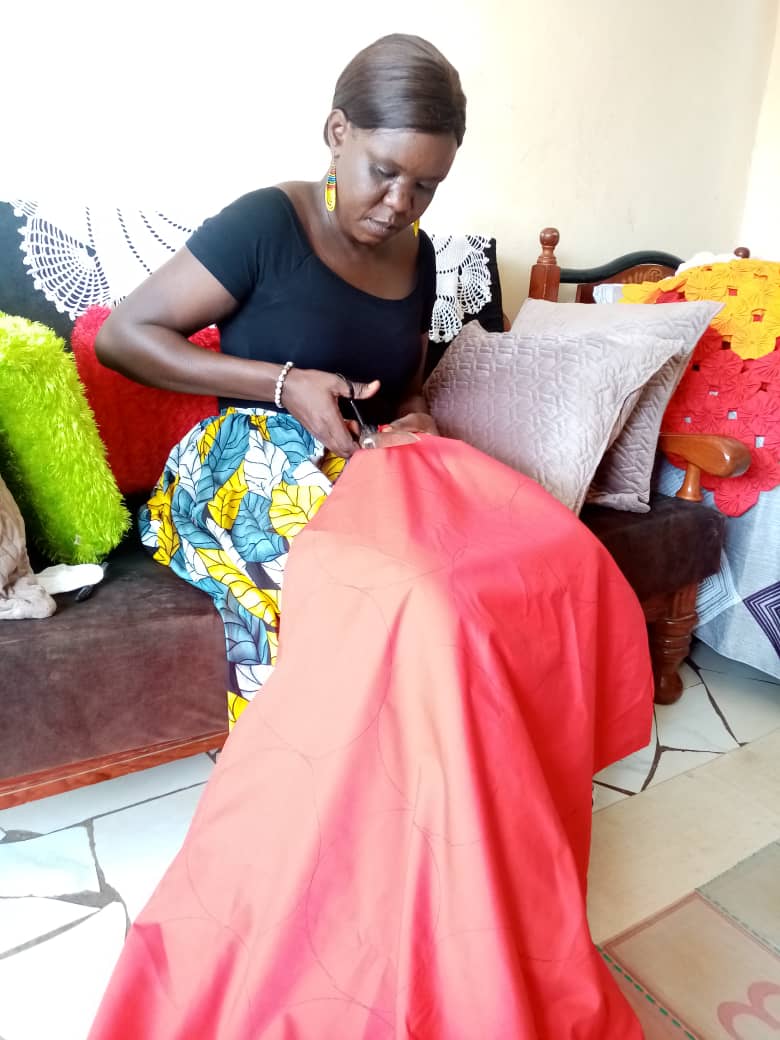
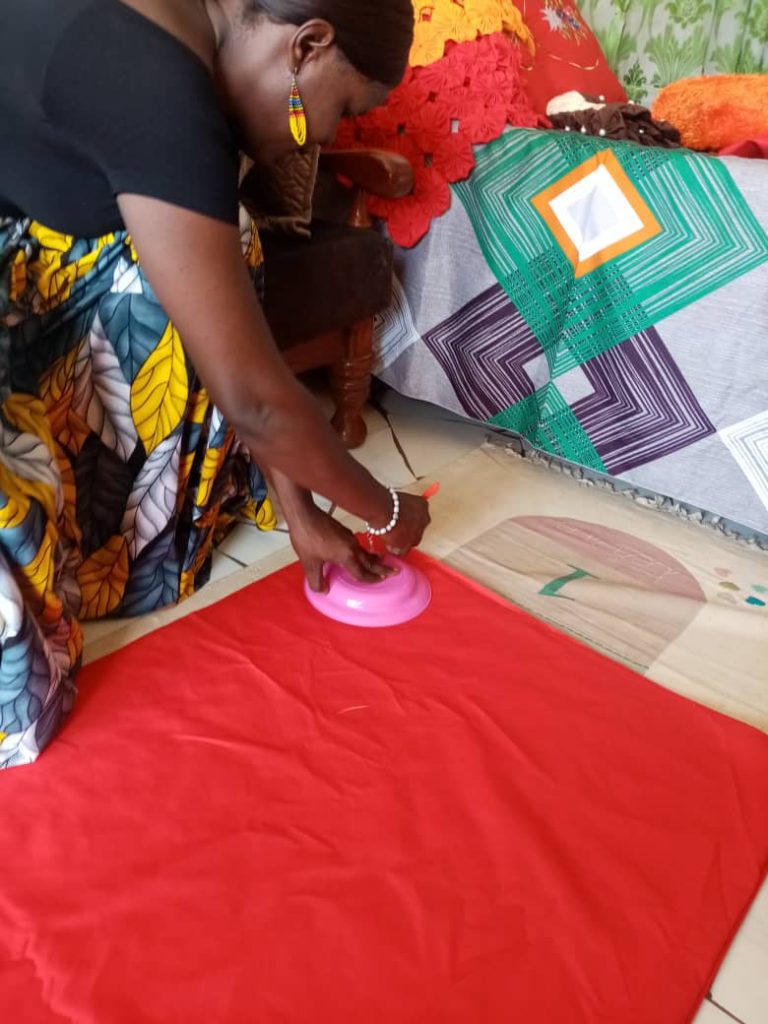
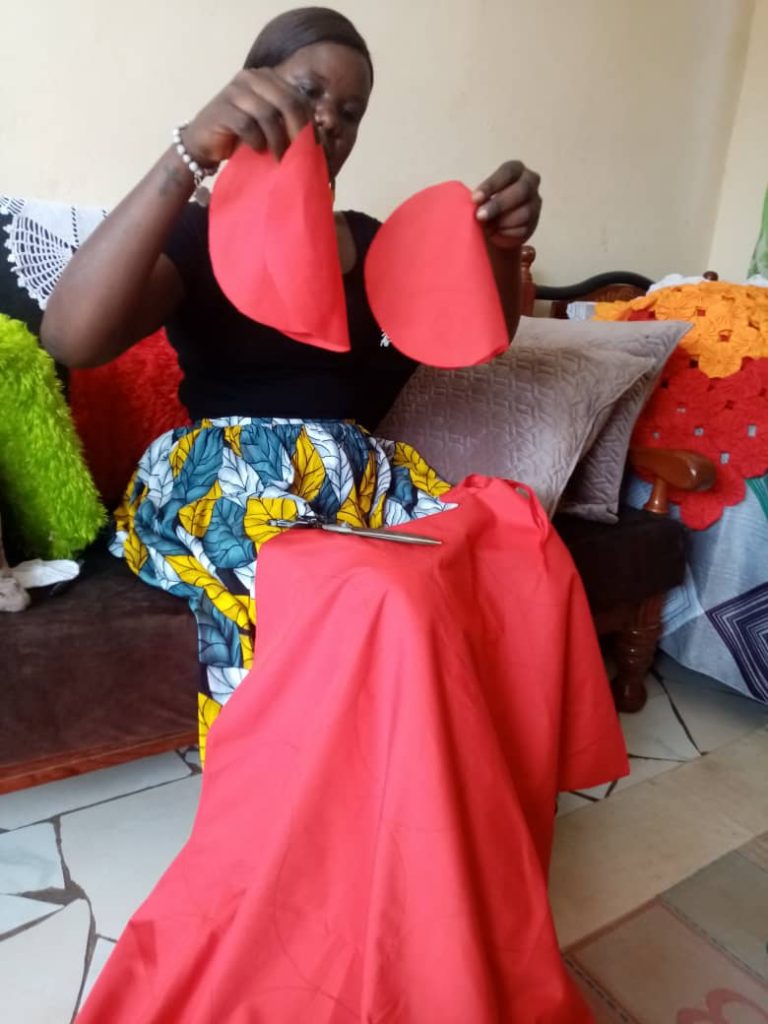
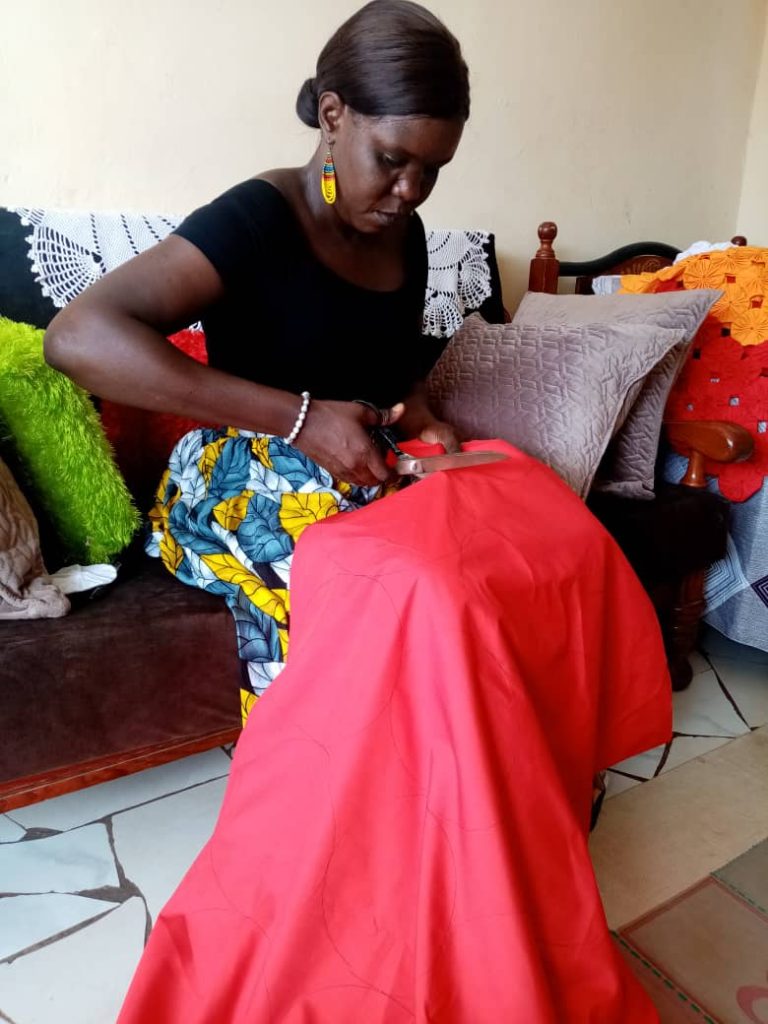
CHRISTINE Meling spreads a red-colored plain sheet of cloth on the floor of the brown tiled verandah and grabs a plastic plate, placing it upside down on the edge of the sheet. Slowly, Meling circles the plate with a sharp black pen, leaving a lasting circular mark. She repeats the routine several times until the entire red-colored sheet is done. “This is an ordinary plate, the type used for serving food, but it also holds the secret to all these beautiful looking, locally knit table cloths,” Meling says, raising the plate above her knee to clearly showcase it.
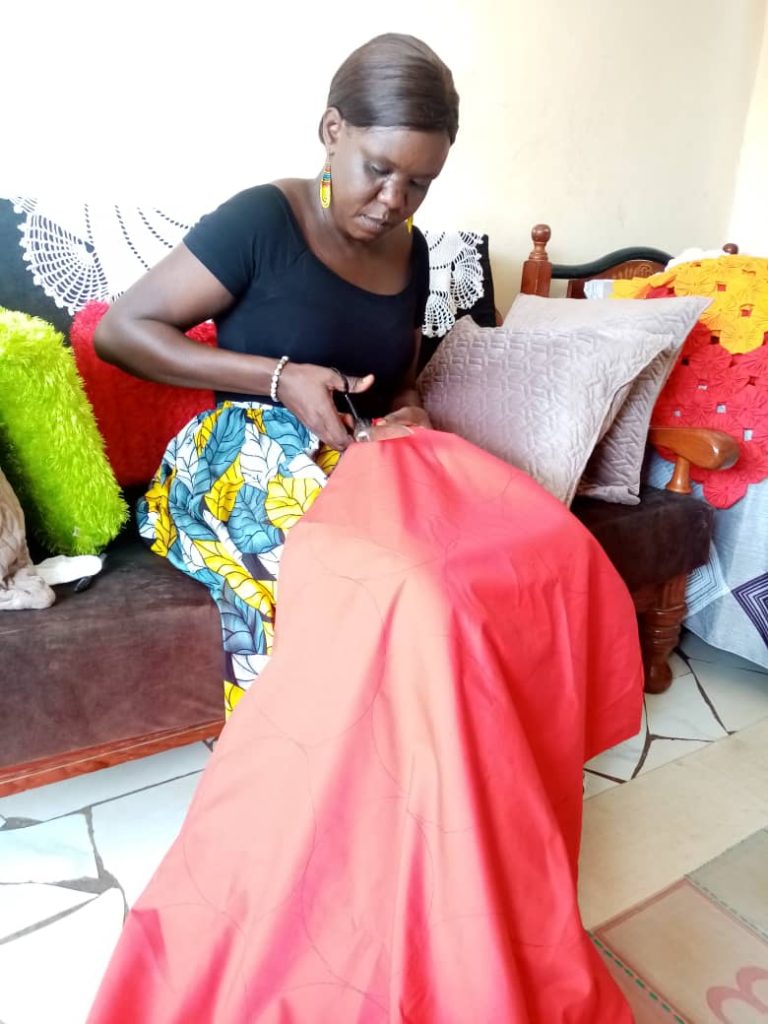
At the Meling’s spacious home, she knits table and sofa covers from this verandah, comprising of a bed, sofa chairs, and tables, that serves as her workstation. Working from home today because the president announced three days of mourning for the fallen minister of Water and Irrigation – an announcement some misinterpreted for a public holiday – Meling, in a knee-length, casual, black-dotted green skirt and a black blouse, topped up by a rainbow-colored bead earring, settles down to start her workday. Just as she moves to cut the cloth around the plate lines, Meling’s 14-year-old brother pushes through the perimeter gate. “There is no school. Some big man has died,” he tells Meling.
“He can also knit and cut it perfectly. Last year they helped me knit several sets with my other sister during the Christmas season. I rewarded them by buying them Christmas goodies,” Meling tells timeoftheworld.com, as she proceeds, picking a pair of scissors from the floor and skillfully cutting the circle drawn by the black pen mark. While cutting, she explains that she has mentored and trained a neighborhood girl with skills to accomplish a set of table and sofa clothes in case she’s absent. A senior inspector at the South Sudan National Bureau of Standards, Meling has been pushed into this trade, that is now her primary source of livelihood, by the low and inconsistent salary. “I am able to take care of my mum and younger siblings from the gains of this craft. My aunt, gifted in the craft, taught me how to do it after several attempts. I was lazy in the start. Little did I know that it will become an integral part of my future,” she tells timeoftheworld.com. “I buy the pieces of cloth from Juba Top, a specialized shop for sheets, take an average of three weeks to complete a set, which I sell at 100,000SSP ($200USD). Sometimes it takes longer to sell with the exception of Christmas season,”
A-Women-Only Market
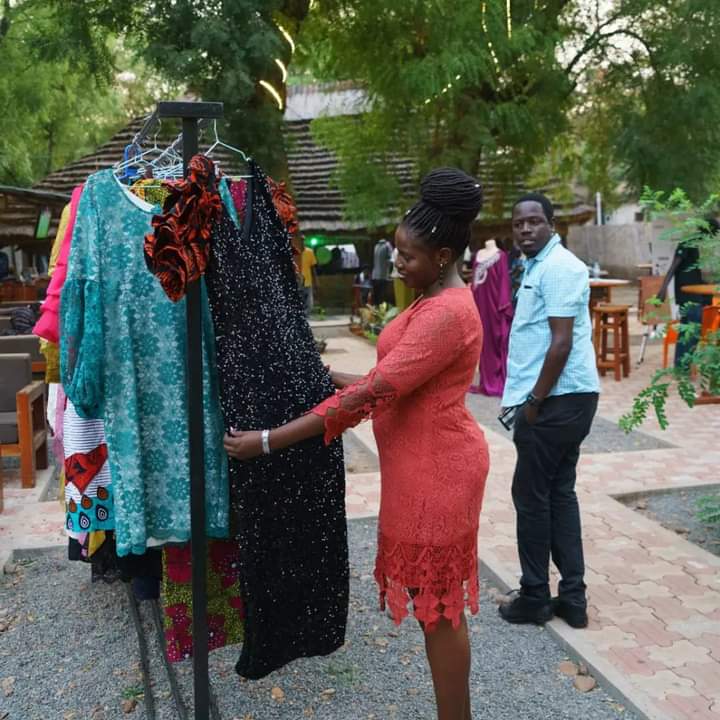
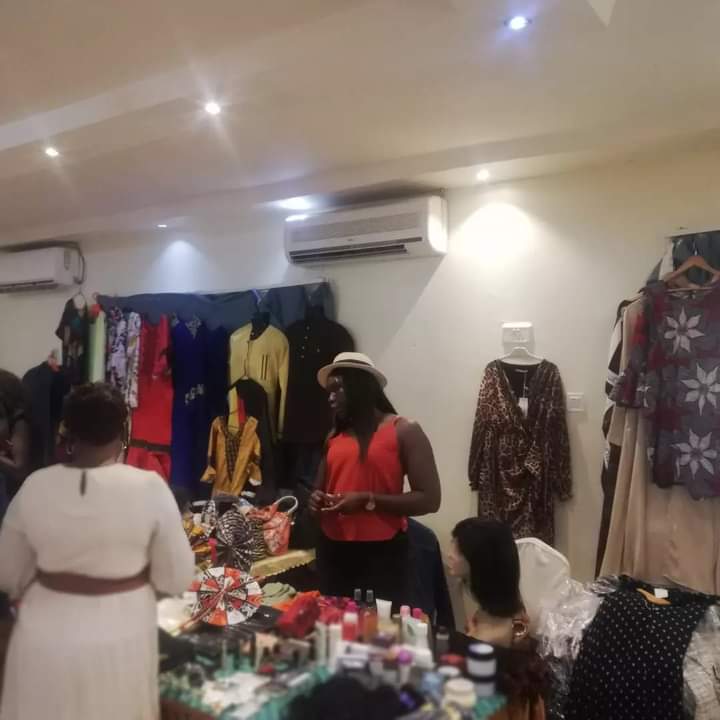
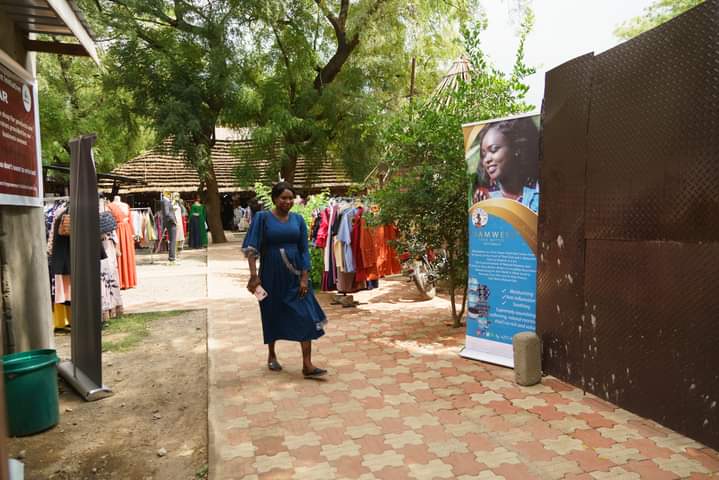
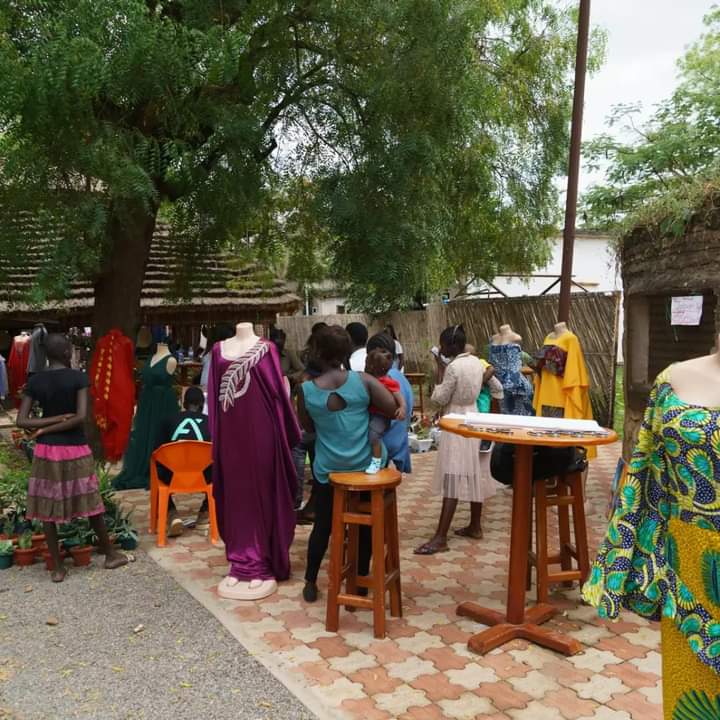
Meling is part of a growing network. South Sudanese women entrepreneurs, most of whom work low grade, underpaid jobs, are raising the cottage industry to a new level, helped by a scheme that exposes them to high-end, aid worker frequented places at no fee, and not just during the Christmas season. All that the women need is the creativity. Held on the last weekend of each month, the exhibition encourages women to get into this business and helping them access this market. Back in November 2020, Barbra Akita, Ajak Kuol, Sarah Nyibak and Apagok were discussing the sad state of many hardworking South Sudanese women, enterprising, but often lacking capital needed to access markets. Why not, for instance, create a market outlet for women who couldn’t afford to rent shops or to pay city council license fees? “The main focus was to conduct training in entrepreneurship, health, and all aspects of women’s life. We wanted to empower women by uniting them so that they can network and market each other’s products. Through the networking, we can refer each other’s business to our friends and people who are looking for products (women) deal in. We also help the women take part in related exhibitions out there,” Akita tells timeoftheworld.com. The “we” in this case has evolved from just an idea to a social enterprise, Women Empowerment Initiative. It was not that smooth sailing.
The first challenge was raising funds. The team agreed on a co-pay system. “In the start, we had to raise our capital to hire the halls and charge the women 8000SSP ($20USD that time), for the two days,” says Akita. The second challenge was bringing the entrepreneurs together – that necessitated setting up social media platforms to inform women on the upcoming and related marketing activities. “We also have a team that moves to the rural women who do not have access to social media to sensitize them on the need to take part. And the use of radio has also brought on board several women,” says Ms. Akita.
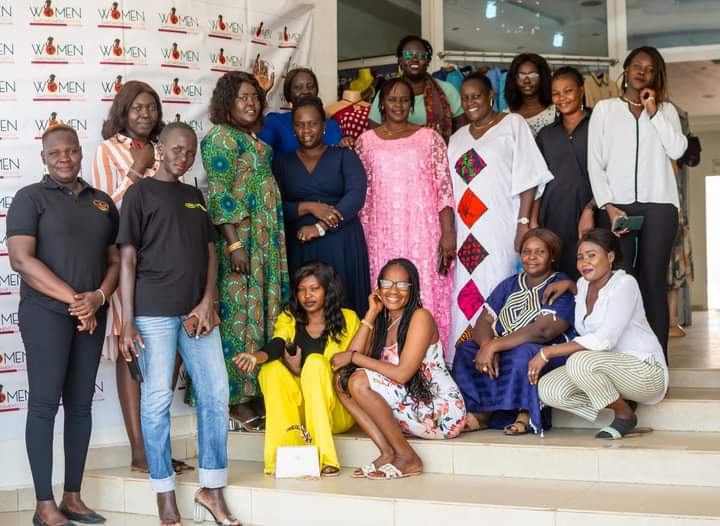
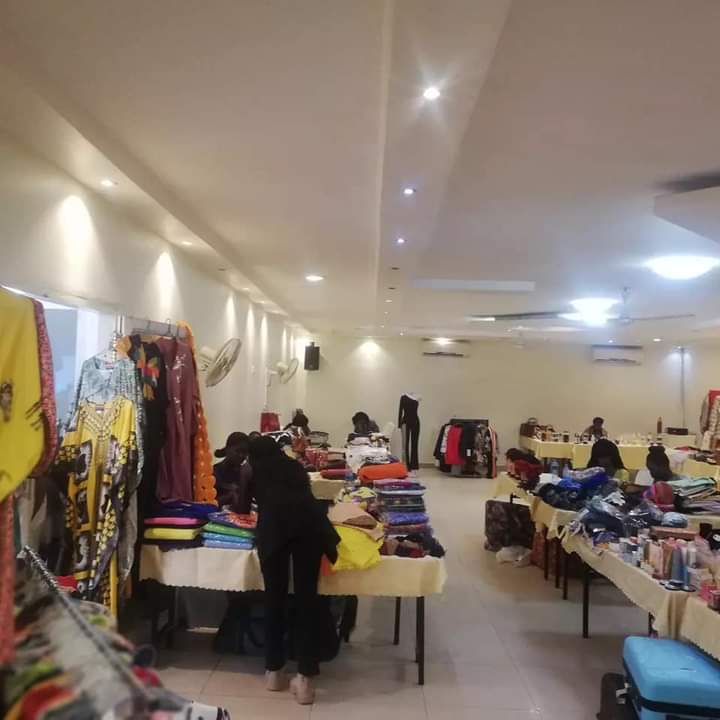
In the first exhibition, 2021, only 21 female enterprises registered. The cost was a challenge to many would-be-women exhibitors. With time, however, well-wishers have offered financial help, removing the participation fees and leading to a four fold increase in participating ventures (75). “Currently, the halls are mostly paid for by some customers, cum well-wishers. Thus, we don’t charge the women for displaying their products. The hall at Regency Hotel is getting smaller by the month because we are currently getting orders from — as far as — female South Sudanese entrepreneurs from the neighboring countries who want to participate. In the long run, we are looking at getting an open ground for a bigger space where we only pay for tents and security, though, we are still discussing with the City Council authorities,” says Ms. Akita.
It’s Always a Family Thing
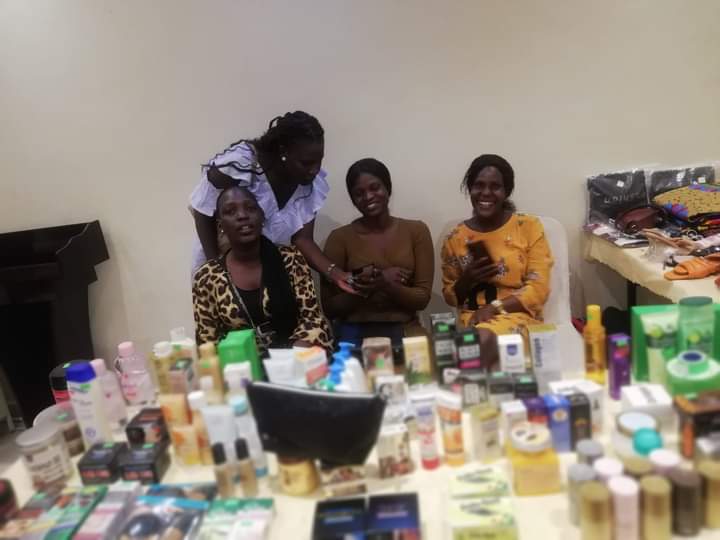
IN the Northern corner of the exhibition hall sits Nyibol Bulo. She cuts a reserved figure as she carefully observes a group of women in front of her exhibition table. Dressed in a yellow dress and matching earrings, she can be mistaken for a model. Like Meling, Nyibol also runs a local craft and burning sage and perfume business that has been deeply entrenched in the family. “My sister inherited the art from our mother and decided to scale it up. She supported most of us (through our) University education from this business. From this exhibition (we) get a lot of high end clients and network to, hopefully, set up shop in Juba in the nearest future,” Nyibol tells timeoftheworld.com
In fact, Nyibol is the only family member who has not taken on the business; she is only here to cover her elder sister who has left for Khartoum, Sudan, where she has an established outlet. To make sage, local wood is cut and soaked in an artificial perfume. “There are two types; one is burnt in restaurants and tea spots to scare away insects, especially flies. The other produces a welcoming scent in the bedroom and it’s common among newlyweds. It can also be made from a special wood that is rare but because of its scarcity, we opt for the first option,” Nyibol explains as she points to the different types of the local perfume displayed on her stand, she says.
In the middle of the exhibition hall, Elizabeth Tumalu, taking part in the exhibition for the second time, watches over her neatly laid hair and skin oil products. Everything is branded, Kayther – the name of products – including the little bags in which she places a client’s purchase. She runs the marketing in south sudan; the sister, a student in Uganda, runs the production and packaging.
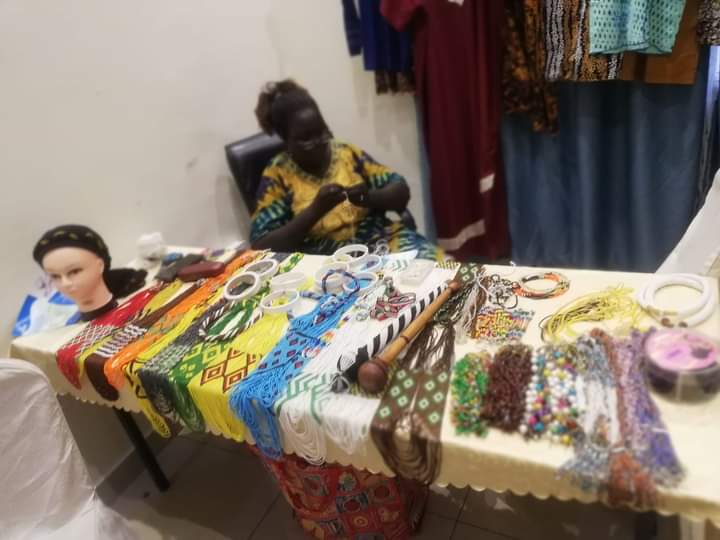
With the success that the exhibition has had in Juba, Akita tells timeoftheworld.com, they now plan to open women-only markets in the states. “We are looking at an Agricultural market for women in Yei, Bor and Wau after conducting entrepreneurial training for them”.
There are roadblocks foreseen. One such challenge is achieving sustainability and buy-in from women in new locations to reduce loading more tasks on the national organizers. “We want to make it cost-effective in terms of time and money. The locals have to spearhead it, unlike here. In the start we used our own resources, but in the states, the women have to coordinate with the relevant ministries, such as of Trade, so that the authorities can help to identify a location. The women in the states will also have to spearhead the mobilization of their fellow women, with the Women Empowerment Initiative taking on an advisory role.”