

HomeENTERPRISE & IMPACTIt may take us...

It may take us 15 years to get it right because you can’t simply fire people

You cannot have people that have no functions in the army. The army must be professional, must be organized, and must have structures that go with the hierarchy.

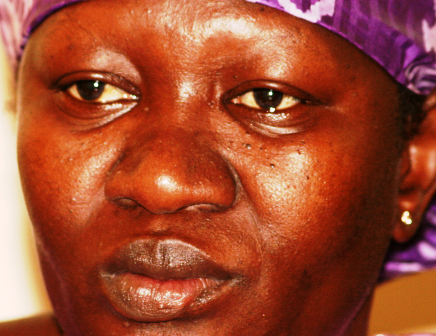
Public Service Minister AWUT DENG ACUIL has made a lean public service a mantra. In this interview the minister says soldiers will start getting allowances on the eve of Independence and lays down to New Times’ MABIOR PHILIP MACH a blue print the army can borrow as it creates an army that can deliver services to the people, such as building roads, reacting to emergences:-

Q. You’re always talking of transforming the SPLA into a productive army. Why are you most concerned with SPLA?
I think the security is paramount issue in nation building. And security involves everybody not only the army. The citizens themselves are to be very sensitive on this issue. When they give information, share information, it means everybody in the country is sensitive to issues. SPLA transformation is very important because this army has been in the war and when it came here, we had a lot of other armed groups that were reintegrated in to the SPLA. And it has become bloated. The most important thing now is for the SPLA to carry out training so that individuals are given responsibilities within the forces. It is also important that the SPLA becomes a professional army that will be responding effectively to the need of the nation and plays a national role in terms of protecting the territory of southern Sudan. This army can also be engaged in productive activities, where they can be engaged in road construction, construction of buildings, agricultural schemes, where they can make contributions so that the army itself is a productive army. And there are emergencies that also come in where the arm comes in and assist in the emergencies; things like flood; things like natural disasters that affect the country. So we think that transforming the army is to give them those skills that will be needed by the whole nation where the army can respond to those emergencies that may come. And also at the same time protect the country. So it is very important that it is with the people so that it can contact the people and share information with the people and help in developing southern Sudan.

When you say the army is over bloated, do you mean much money is wasted on the top army generals at the expense of the junior soldiers?
Since when we in-cooperated the others in to the force, they came in to the SPLA with their ranks. If it was an organized army, then you cannot have so many top generals. You need to have offices; you need to have soldiers in the army. But right now we have huge at the top. There are so many generals. There are so many generals that were brought in as other armed groups that were fighting during the war. Then we need to look at those structures properly so that the army benefits everybody and the army itself is able to reorganize itself properly in to a professional army. There must be generals that are guiding a battalion or something like that. You cannot have people that have no functions in the army. The army must be professional, must be organized, and must have structures that go with the hierarchy.


It has become common to hear that SPLA salaries would be increased. When does GOSS plan to implement this change?
The payment of the army does not fall under public service. This is a discussion taking place within the Government of Southern Sudan to give them allowances like any other civil servants and to increase their salaries. And this is a process that is going to be implemented in the eve of independence which is still being discussed. It should be planned; it has to be budgeted for. I think this is important. And transformation is not just a one year thing. It may take us ten or fifteen years before we get it right because you cannot push out people like that. It has to take spaces as planed; as it is, so that you take a step every time. But you cannot say abruptly and do it and then that is all. At the same time we need to support the army. It is the army that brought us to freedom in southern Sudan and it [transformation] should not be left to the army alone. Anything that a person feels to donate to help the transformation of this army is very important to these citizens because they are looking after our security and security is what brings development. When you are secure, you are stable, you are peaceful, and then development can come. So it is very important that it should not be left with the army alone but we should support them so that they can achieve this goal of becoming a professional army.


As a minister of public service who has successfully, to an extent, restructured the civil service advice can you offer the ministry of SPLA Affairs as it implements a salary increment?
If they have done their own preparations, then that will happen because they have been doing payroll pencil themselves. They have a committee that is established within the army; that is looking at the payroll pencil. And payroll pencil means they have to clean ghost workers within the payroll system. And for them at the end of the day they have two things that will be used in the ghost workers; one is the electronic payroll system that is computerized and everybody is paid on the details. Second is if you have units within the army, that will be the best way if they use bank accounts so that they pay salaries to the accounts. That will be the best way of handling it. But again those financial institutions which are supposed to assist in this kind of thing are not in every state. So also it is a process that they need to phase it out slowly, slowly until we get there.

- A word from our sponsors -

sponsored: GRE. GMAT. TOEFL. IELT CLASSESspot_img

Most Popular

More from section

More Courage Than Before: Female Monitors Strengthening Early Warning Systems in South Sudan

Simona Ali, an Early Warning Monitoring Fellow from Wau, says the fellowship created a space for female journalists to share experiences and learn from each other. By passing this knowledge on to colleagues in her newsroom, she is helping strengthen awareness of journalist safety and professional rights

Speaking Up for Rights: Female Monitors Strengthening Early Warning Systems in South Sudan

Catherine Adut, an Early Warning Monitoring Fellow from Lakes State, says the fellowship helped her understand her rights and speak up against unfair treatment. Today, she encourages other female journalists to report harassment, defend their rights, and support one another in the newsroom.

Confidence to Stand Up: Female Monitors Strengthening Early Warning Systems in South Sudan

Viola Nyoka, an Early Warning Monitoring Fellow from Yei, says the fellowship helped her understand the risks female journalists face and the importance of speaking up. Through shared experiences with colleagues across South Sudan, she gained the confidence to challenge exploitation, report harassment, and stand up for her rights in the newsroom.

Knowing Where to Turn: Female Monitors Strengthening Early Warning Systems in South Sudan

Vivian Nandege, an Early Warning Monitoring Fellow from Yei, says the fellowship helped her understand where to seek support when facing challenges in journalism. Through connections with other female journalists, she has gained confidence, shared knowledge, and built a stronger professional network.

- A word from our sponsors -

spot_img

Read Now

More Courage Than Before: Female Monitors Strengthening Early Warning Systems in South Sudan

Simona Ali, an Early Warning Monitoring Fellow from Wau, says the fellowship created a space for female journalists to share experiences and learn from each other. By passing this knowledge on to colleagues in her newsroom, she is helping strengthen awareness of journalist safety and professional rights

Speaking Up for Rights: Female Monitors Strengthening Early Warning Systems in South Sudan

Catherine Adut, an Early Warning Monitoring Fellow from Lakes State, says the fellowship helped her understand her rights and speak up against unfair treatment. Today, she encourages other female journalists to report harassment, defend their rights, and support one another in the newsroom.

Confidence to Stand Up: Female Monitors Strengthening Early Warning Systems in South Sudan

Viola Nyoka, an Early Warning Monitoring Fellow from Yei, says the fellowship helped her understand the risks female journalists face and the importance of speaking up. Through shared experiences with colleagues across South Sudan, she gained the confidence to challenge exploitation, report harassment, and stand up for her rights in the newsroom.

Knowing Where to Turn: Female Monitors Strengthening Early Warning Systems in South Sudan

Vivian Nandege, an Early Warning Monitoring Fellow from Yei, says the fellowship helped her understand where to seek support when facing challenges in journalism. Through connections with other female journalists, she has gained confidence, shared knowledge, and built a stronger professional network.

Strengthening Professional Networks: Female Monitors Strengthening Early Warning Systems in South Sudan

Cecilia John Akile, an Early Warning Monitoring Fellow from Wau, says the fellowship helped her build stronger professional connections with journalists across South Sudan. Through the network, she has learned the importance of speaking openly about challenges and collaborating with colleagues to find solutions

Standing Firm Under Pressure: Female Monitors Strengthening Early Warning Systems in South Sudan

Assunta Aluel, a journalist from Twic County, says the Monitoring Fellowship helped her remain calm and professional when she faced questioning after reporting a sensitive community story. The training equipped her with the confidence and knowledge to navigate pressure while continuing her work.

Building Stronger Connections: Female Monitors Strengthening Early Warning Systems in South Sudan

Aleng Vicky, an Early Warning Monitoring Fellow from Torit, says the fellowship helped female journalists across Eastern Equatoria connect and share experiences. Through new communication platforms and peer discussions, women journalists are building stronger networks and supporting each other in the profession.

From Connection to Courage: Female Monitors Strengthen Early Warning Systems in South Sudan

"At the back of your mind, when covering news, you must remember there are things you must follow while doing this. That has instilled more confidence in us than before." - ARICH DENG

Forging a Lifeline: Female Monitors Power Early Warning Systems in South Sudan

An early warning system fellowship empowers frontline monitoring fellows to detect risks early, trigger rapid response, and strengthen protection support for those facing threats.

The Mic Was Silenced: A Young Female Journalist Struggles to Reclaim the Airwaves in South Sudan

They shut it down after a song—just a traditional tune from the wrong community—played during a flare-up in local fighting. Officials stormed in, seized the keys, and warned the staff: One more mistake, and the whole station is gone for good. For a moment, Achol was jobless...

 “If You Don’t Have the Heart for It, You Can’t Carry On”

As a child, she fled bombings by the Sudanese government and attacks by the Ugandan rebel Lord’s Resistance Army, living a refugee live in DR-Congo, CAR, and Uganda. As a woman, she faced down militias. Today, she stands at the frontline of media freedom in Western Equatoria...