

HomeNEW REPUBLIC.OPED: MICHAEL THON MANGOKSouth Sudan's Suicide Mission:...

South Sudan’s Suicide Mission: Joining the East African Community

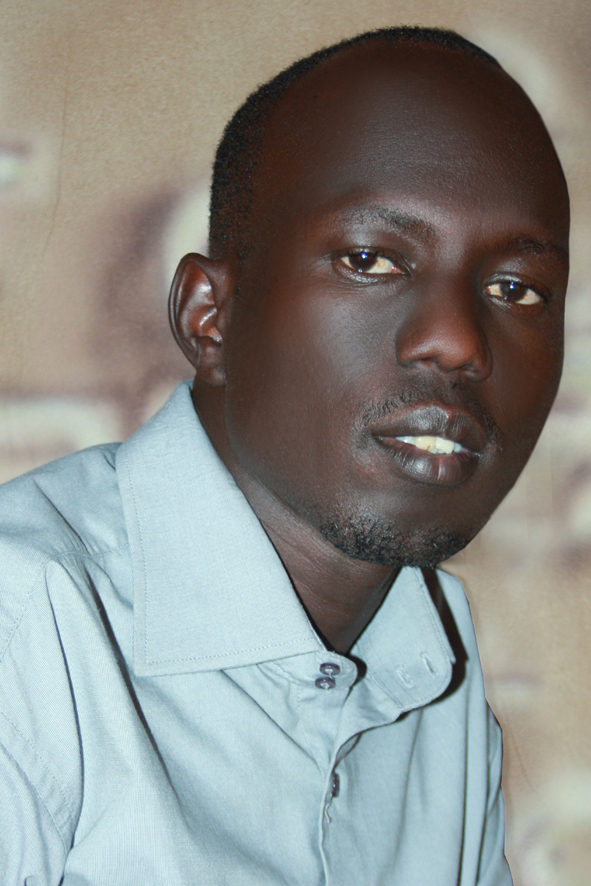
MICHAEL THON MANGOK

Opinion Contributor

The writer, a social critic, can be reached at Kochadit@gmail.com

My weekend was disturbed when I saw an electronic banner at Muduria Roundabout in Juba town pronouncing, “Welcome to No. 6 country of East Africa”.
In 2007 Goss applied for membership in East African Community. Now that it is about to become Independent, that application is a reality.
This decision needs to be well thought through.

If we make a mistake to join THE East African Community as soon as possible, as our leaders are contemplating, this will be the end of this country, God forbid. Inter-territorial co-operation between the Kenya colony, the Uganda protectorate and the Tanganyinka territory was first formalized in 1948.

This provided a customs union, common external tariffs, currency and postage. Following independence these integrated activities were reconstituted and replaced by the East African common Services Organization. Many observers thought it would lead to a political federation between the three territories. But the new organization ran into difficulties because of the lack of joint planning and fiscal policy, separate political policies and Kenya’s dominant economic position.
In 1967, the East African common services organization was superseded by East African Community. The main aimed was to strengthen the ties between the members through common markets, a common customs tariff and a range of public services to achieve balanced economic growth.
In 1977 the East African community collapsed because Kenya demanded more seats than Uganda and Tanzania in the decision-making organ. In addition, there was disagreement with Dictator Idi Amin, a disparate economic system of socialism in Tanzania, and capitalism in Kenya.
East African community was revived on July 7 July 2000. In July 2010 the common market protocol was launched. The protocol led to the free movement of labor, capital, goods and services within EAC. Member states will have to change their national laws to allow the full implementation of some aspects of the common markets, such as immigration and customs. They are now working to implement common currency by 2012 and political confederation by 2015.
South Sudan needs East Africa in terms of foreign relations because it is landlocked. It is expected that the new nation would move its oil pipes to Kenyan port of Lamu.

Kenya and Uganda have been a home base of South Sudanese during the war. This makes them preferable to many of our citizens as the culture of East Africa emerges among young people who went to schools in Kenya and Uganda. East Africa is also a place to hide by some. Others just love it, some bought questionable property there.


The protocol does not allow South Sudan because it has no functioning economy. But it would be advantageous to Kenya and Uganda, if South Sudan becomes a member. Kenya’s dominant industries and economic growth will give her opportunity to market her goods and services freely here. They will also enjoy the free movement of labor given the fact that Kenya has more educated people than can be employed. South Sudan will be a God given market without tariff. In Uganda, the whole process of East African community integration is a project of Yoweri Museveni. He wanted leadership of the East African Community come 2017, should the political federation be achieved. South Sudanese would vote Museveni because of the huge relationship between SPLM and NRM. Therefore, no matter what, Kenya and Uganda will push hard to ensure south Sudan becomes a member.
But South Sudan cannot compete. We do not have industries. It may take us decades to achieve that. Our labor will be too vulnerable due to lack of education, leaving Uganda and Kenya to dominate our labor markets.

Even if one needed just a toilet keeper in South Sudan, a Kenyan or a Ugandan would take the job because he/she would be more qualified. Our people should be informed of such dangers.

They should not listen to politicians who only see the future from their own perspective, not that of the future generations.

- A word from our sponsors -

sponsored: GRE. GMAT. TOEFL. IELT CLASSESspot_img

Most Popular

More from section

More Courage Than Before: Female Monitors Strengthening Early Warning Systems in South Sudan

Simona Ali, an Early Warning Monitoring Fellow from Wau, says the fellowship created a space for female journalists to share experiences and learn from each other. By passing this knowledge on to colleagues in her newsroom, she is helping strengthen awareness of journalist safety and professional rights

Speaking Up for Rights: Female Monitors Strengthening Early Warning Systems in South Sudan

Catherine Adut, an Early Warning Monitoring Fellow from Lakes State, says the fellowship helped her understand her rights and speak up against unfair treatment. Today, she encourages other female journalists to report harassment, defend their rights, and support one another in the newsroom.

Confidence to Stand Up: Female Monitors Strengthening Early Warning Systems in South Sudan

Viola Nyoka, an Early Warning Monitoring Fellow from Yei, says the fellowship helped her understand the risks female journalists face and the importance of speaking up. Through shared experiences with colleagues across South Sudan, she gained the confidence to challenge exploitation, report harassment, and stand up for her rights in the newsroom.

Knowing Where to Turn: Female Monitors Strengthening Early Warning Systems in South Sudan

Vivian Nandege, an Early Warning Monitoring Fellow from Yei, says the fellowship helped her understand where to seek support when facing challenges in journalism. Through connections with other female journalists, she has gained confidence, shared knowledge, and built a stronger professional network.

- A word from our sponsors -

spot_img

Read Now

More Courage Than Before: Female Monitors Strengthening Early Warning Systems in South Sudan

Simona Ali, an Early Warning Monitoring Fellow from Wau, says the fellowship created a space for female journalists to share experiences and learn from each other. By passing this knowledge on to colleagues in her newsroom, she is helping strengthen awareness of journalist safety and professional rights

Speaking Up for Rights: Female Monitors Strengthening Early Warning Systems in South Sudan

Catherine Adut, an Early Warning Monitoring Fellow from Lakes State, says the fellowship helped her understand her rights and speak up against unfair treatment. Today, she encourages other female journalists to report harassment, defend their rights, and support one another in the newsroom.

Confidence to Stand Up: Female Monitors Strengthening Early Warning Systems in South Sudan

Viola Nyoka, an Early Warning Monitoring Fellow from Yei, says the fellowship helped her understand the risks female journalists face and the importance of speaking up. Through shared experiences with colleagues across South Sudan, she gained the confidence to challenge exploitation, report harassment, and stand up for her rights in the newsroom.

Knowing Where to Turn: Female Monitors Strengthening Early Warning Systems in South Sudan

Vivian Nandege, an Early Warning Monitoring Fellow from Yei, says the fellowship helped her understand where to seek support when facing challenges in journalism. Through connections with other female journalists, she has gained confidence, shared knowledge, and built a stronger professional network.

Strengthening Professional Networks: Female Monitors Strengthening Early Warning Systems in South Sudan

Cecilia John Akile, an Early Warning Monitoring Fellow from Wau, says the fellowship helped her build stronger professional connections with journalists across South Sudan. Through the network, she has learned the importance of speaking openly about challenges and collaborating with colleagues to find solutions

Standing Firm Under Pressure: Female Monitors Strengthening Early Warning Systems in South Sudan

Assunta Aluel, a journalist from Twic County, says the Monitoring Fellowship helped her remain calm and professional when she faced questioning after reporting a sensitive community story. The training equipped her with the confidence and knowledge to navigate pressure while continuing her work.

Building Stronger Connections: Female Monitors Strengthening Early Warning Systems in South Sudan

Aleng Vicky, an Early Warning Monitoring Fellow from Torit, says the fellowship helped female journalists across Eastern Equatoria connect and share experiences. Through new communication platforms and peer discussions, women journalists are building stronger networks and supporting each other in the profession.

From Connection to Courage: Female Monitors Strengthen Early Warning Systems in South Sudan

"At the back of your mind, when covering news, you must remember there are things you must follow while doing this. That has instilled more confidence in us than before." - ARICH DENG

Forging a Lifeline: Female Monitors Power Early Warning Systems in South Sudan

An early warning system fellowship empowers frontline monitoring fellows to detect risks early, trigger rapid response, and strengthen protection support for those facing threats.

The Mic Was Silenced: A Young Female Journalist Struggles to Reclaim the Airwaves in South Sudan

They shut it down after a song—just a traditional tune from the wrong community—played during a flare-up in local fighting. Officials stormed in, seized the keys, and warned the staff: One more mistake, and the whole station is gone for good. For a moment, Achol was jobless...

 “If You Don’t Have the Heart for It, You Can’t Carry On”

As a child, she fled bombings by the Sudanese government and attacks by the Ugandan rebel Lord’s Resistance Army, living a refugee live in DR-Congo, CAR, and Uganda. As a woman, she faced down militias. Today, she stands at the frontline of media freedom in Western Equatoria...