

HomeLIVING IN SOUTH SUDANI went to university...

I went to university to study, and all I get is a life where I can’t plan a thing

My second plan was to come back to Juba and cast my separation vote. I did…I was happy. I fully had now recognized why many of my age mates, colleagues in the Red Army, had to die so young. I also understood why some of my uncles became old without wives and children.

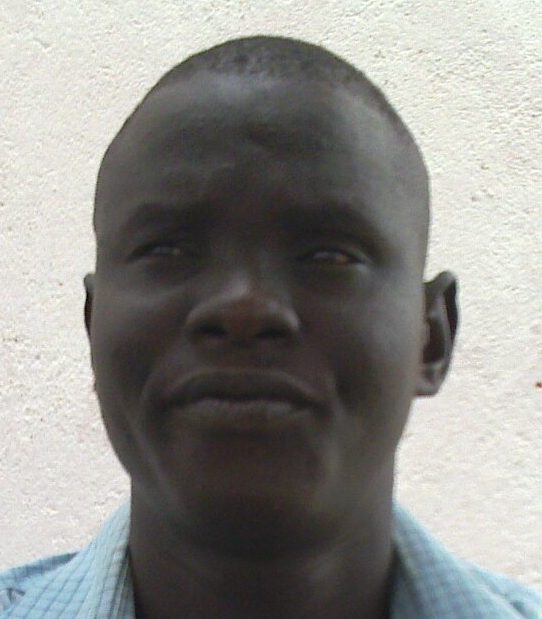
NHIAL MAJUR

Columnist

It all started last year during the Southern Sudan Referendum Voters registration exercise that I lost track of a basic thing in my life: Planning.
I cannot plan beyond a week because all my plans and activities were and still affected by the Ministry of Higher Education and Scientific Research and the University of Bahr el Ghazal Administration.
First, because of my patriotism and national duty, I had to miss some lectures last year for a week just to come and register in Juba. I was registered, and it was my duty to vote. So I voted. The January 9 vote saw us become a nation on July 9. Afterward, I was supposedly going back to the University as from April 15 2011. That did not happen. Then we were told the universities would reopen after the celebration of the Independence of South Sudan. Now we are told another version of the story. The University will open in the middle of August. I have lost hope. I am becoming a pessimist as regards South Sudanese universities.
What were the plans I had for the year 2011?
First on my list was to go to the village, visit my people and spend some time with them. I did and I had a wonderful time chilling with my people. I helped some of them to understand the meaning of ‘Separation’, to understand how separation would change their livelihood. I know they are patiently for their lifestyle to change.
Second was to come back to Juba and cast my separation vote. I did. The results were announced. I joined my people in the celebration of the overwhelming vote for separation. I was happy. I fully had now recognized why many of my age mates, colleagues in the Red Army, had to die so young. I also understood why some of my uncles became old without wives and children. It was as if our Secondary School Motto (We Shall Overcome Someday) had finally come true.
Third was for me to go back to the University as a first class citizen, studying in a first class University. I wanted to go back this time as a Republic of South Sudan (RSS) National Student not as a Government of Southern Sudan (GOSS) sponsored student. I wanted to finish my Bachelors degree in Education and turn around the tale of illiteracy into one of literacy; though, even I know, one man cannot educate all. Those were the plans I had.
How is the Ministry not making me plan my activities?
To begin with, I have been on standby, waiting for the University to start. Thus, I have not been able to start any program or project because I might be called upon by the university to resume studies.
In addition, the Ministry and the University Administration have been playing hide-and-seek in front of us, the students. I am now in Juba looking for a job and no one can give me a job just because, employers say, the university could reopen anytime. I don’t blame them.
Where is the Planning Dilemma?
Nevertheless, this is not the first time I face this dilemma.
Oftentimes, the University and the Ministry (I’m not sure who is to blame) don’t allow the students of the National Universities to plan their time because the academic calendar is so messed up to the extent that the Academic-year break is longer than the academic year itself. Other universities are opened while others are still waiting for a budget, lecturers, or hostels to be constructed.
Please, would some honorable person (MP) in the National Assembly of the Republic of South Sudan address the issue of the National Universities that are not opened up to now? Can our honorable MPs bring whoever is responsible – I repeat, I am not sure whether it is the ministry or the Universities Administrations — to a table so that they can relieve us from this long wait?

**A friend of mine, who asked me about when I was going back to School, inspired this column. Noblest Nhial, the columnist, is a student of Education in Arts (English Language and Literature) University of Bahr el Ghazal ( HYPERLINK “mailto:noblest.nhial@gmail.com” noblest.nhial@gmail.com)

- A word from our sponsors -

sponsored: GRE. GMAT. TOEFL. IELT CLASSESspot_img

Most Popular

More from section

More Courage Than Before: Female Monitors Strengthening Early Warning Systems in South Sudan

Simona Ali, an Early Warning Monitoring Fellow from Wau, says the fellowship created a space for female journalists to share experiences and learn from each other. By passing this knowledge on to colleagues in her newsroom, she is helping strengthen awareness of journalist safety and professional rights

Speaking Up for Rights: Female Monitors Strengthening Early Warning Systems in South Sudan

Catherine Adut, an Early Warning Monitoring Fellow from Lakes State, says the fellowship helped her understand her rights and speak up against unfair treatment. Today, she encourages other female journalists to report harassment, defend their rights, and support one another in the newsroom.

Confidence to Stand Up: Female Monitors Strengthening Early Warning Systems in South Sudan

Viola Nyoka, an Early Warning Monitoring Fellow from Yei, says the fellowship helped her understand the risks female journalists face and the importance of speaking up. Through shared experiences with colleagues across South Sudan, she gained the confidence to challenge exploitation, report harassment, and stand up for her rights in the newsroom.

Knowing Where to Turn: Female Monitors Strengthening Early Warning Systems in South Sudan

Vivian Nandege, an Early Warning Monitoring Fellow from Yei, says the fellowship helped her understand where to seek support when facing challenges in journalism. Through connections with other female journalists, she has gained confidence, shared knowledge, and built a stronger professional network.

- A word from our sponsors -

spot_img

Read Now

More Courage Than Before: Female Monitors Strengthening Early Warning Systems in South Sudan

Simona Ali, an Early Warning Monitoring Fellow from Wau, says the fellowship created a space for female journalists to share experiences and learn from each other. By passing this knowledge on to colleagues in her newsroom, she is helping strengthen awareness of journalist safety and professional rights

Speaking Up for Rights: Female Monitors Strengthening Early Warning Systems in South Sudan

Catherine Adut, an Early Warning Monitoring Fellow from Lakes State, says the fellowship helped her understand her rights and speak up against unfair treatment. Today, she encourages other female journalists to report harassment, defend their rights, and support one another in the newsroom.

Confidence to Stand Up: Female Monitors Strengthening Early Warning Systems in South Sudan

Viola Nyoka, an Early Warning Monitoring Fellow from Yei, says the fellowship helped her understand the risks female journalists face and the importance of speaking up. Through shared experiences with colleagues across South Sudan, she gained the confidence to challenge exploitation, report harassment, and stand up for her rights in the newsroom.

Knowing Where to Turn: Female Monitors Strengthening Early Warning Systems in South Sudan

Vivian Nandege, an Early Warning Monitoring Fellow from Yei, says the fellowship helped her understand where to seek support when facing challenges in journalism. Through connections with other female journalists, she has gained confidence, shared knowledge, and built a stronger professional network.

Strengthening Professional Networks: Female Monitors Strengthening Early Warning Systems in South Sudan

Cecilia John Akile, an Early Warning Monitoring Fellow from Wau, says the fellowship helped her build stronger professional connections with journalists across South Sudan. Through the network, she has learned the importance of speaking openly about challenges and collaborating with colleagues to find solutions

Standing Firm Under Pressure: Female Monitors Strengthening Early Warning Systems in South Sudan

Assunta Aluel, a journalist from Twic County, says the Monitoring Fellowship helped her remain calm and professional when she faced questioning after reporting a sensitive community story. The training equipped her with the confidence and knowledge to navigate pressure while continuing her work.

Building Stronger Connections: Female Monitors Strengthening Early Warning Systems in South Sudan

Aleng Vicky, an Early Warning Monitoring Fellow from Torit, says the fellowship helped female journalists across Eastern Equatoria connect and share experiences. Through new communication platforms and peer discussions, women journalists are building stronger networks and supporting each other in the profession.

From Connection to Courage: Female Monitors Strengthen Early Warning Systems in South Sudan

"At the back of your mind, when covering news, you must remember there are things you must follow while doing this. That has instilled more confidence in us than before." - ARICH DENG

Forging a Lifeline: Female Monitors Power Early Warning Systems in South Sudan

An early warning system fellowship empowers frontline monitoring fellows to detect risks early, trigger rapid response, and strengthen protection support for those facing threats.

The Mic Was Silenced: A Young Female Journalist Struggles to Reclaim the Airwaves in South Sudan

They shut it down after a song—just a traditional tune from the wrong community—played during a flare-up in local fighting. Officials stormed in, seized the keys, and warned the staff: One more mistake, and the whole station is gone for good. For a moment, Achol was jobless...

 “If You Don’t Have the Heart for It, You Can’t Carry On”

As a child, she fled bombings by the Sudanese government and attacks by the Ugandan rebel Lord’s Resistance Army, living a refugee live in DR-Congo, CAR, and Uganda. As a woman, she faced down militias. Today, she stands at the frontline of media freedom in Western Equatoria...