

HomeNEW REPUBLIC.State and SNV seek...

State and SNV seek regulation of South Sudan’s flourishing nonprofit industry

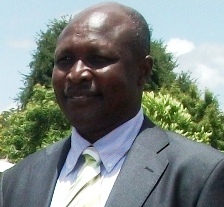
“There are some Counties with a huge number of NGOs; their presence deprives other Counties from developing and other essential services. This is an unfair practice. This shows that NGOs choose where they want to operate without consultation with State authority” – NARTISIO LOLUKE.

State and SNV officials want regulations to guide nonprofit work in line with the Paris Declaration and Accra Agenda so as to increase aid effectiveness and remove aid bias

Eastern Equatoria has unveiled new regulations for NGOs seeking to operate in the state that would ensure the civil society entities are evenly distributed amongst the eight counties, following earlier calls by the SNV Advisor on Political Affairs.

Officials said the move was aimed at ensuring equitable distribution of essential services to the state citizens.

Deputy Governor Nartisio Loluke Manir has said that the State Government has placed a number of strategies to ensure NGOs fairly and uniformly operate in all Counties from now.

“There are some Counties with a huge number of NGOs; their presence deprives other Counties from developing and other essential services. This is an unfair practice. This shows that NGOs choose where they want to operate without consultation with State authority,” he protested.

Earlier this year, an Advisor on political Affairs to a Dutch international organization (SNV) in South Sudan, Imke Van, called on the Government to regulate NGOs operations in the region.

While addressing a NGOs coordination meeting at Torit Diocesans Hall in Torit earlier this year, Imke stressed that there was a serious need for regulation so as to guide NGOs programming processes.

He recommended a need for registration at State level and need to have focal point or one-stop window for NGOs at the State level. Imke clarified that by implementing this move, it will serve as conformity to South Sudan labour laws by the NGOs.

Imke also calls for a need to collate and regularly update the various data relating to NGOs in the central data-bank in the State Ministry of Finance, Trade & Industry.

PARIS DECLARATION AND ACCRA AGENDAhttps://www.oecd.org/dac/effectiveness/parisdeclarationandaccraagendaforaction.htm

The SNV advisor underscored the rationale for coordination with the Government as the Paris Declaration/Accra Agenda which calls for aid effectiveness, ownership and capacity.

He added that programme alignment and harmonization is the most considered tool apart from healthy development dialogue process.

“If this strategy is successful, resource investment flows and accountability spinoffs should be included as a rationale for coordination with the Government,” Imke stressed.

He also urges that the Government needs to put in place relevant policies and laws that seek to ensure friendly environment for effective operation of NGOs in the region for better service provision.

According to Governor Lobong, South Sudan’s post independence era renders the new Republic vulnerable if continuous efforts are not jointly driven. He said government must endeavour to focus on delivering basic services for her citizens who struggled for freedom and liberty.

He called for joint efforts from the international community in mobilizing resources towards development of the Africa’s newest State, while similarly appealing to development partners working alongside the State Government to execute their programs in a transparent and accountable manner.

The Human right activist in the state Lona Dawa hailed the job the non governmental organizations have done to contribute to development during the last five years and reconciling the warring tribal groups in the state that has now brought the spirit of coexistence among the different factions.

- A word from our sponsors -

sponsored: GRE. GMAT. TOEFL. IELT CLASSESspot_img

Most Popular

More from section

More Courage Than Before: Female Monitors Strengthening Early Warning Systems in South Sudan

Simona Ali, an Early Warning Monitoring Fellow from Wau, says the fellowship created a space for female journalists to share experiences and learn from each other. By passing this knowledge on to colleagues in her newsroom, she is helping strengthen awareness of journalist safety and professional rights

Speaking Up for Rights: Female Monitors Strengthening Early Warning Systems in South Sudan

Catherine Adut, an Early Warning Monitoring Fellow from Lakes State, says the fellowship helped her understand her rights and speak up against unfair treatment. Today, she encourages other female journalists to report harassment, defend their rights, and support one another in the newsroom.

Confidence to Stand Up: Female Monitors Strengthening Early Warning Systems in South Sudan

Viola Nyoka, an Early Warning Monitoring Fellow from Yei, says the fellowship helped her understand the risks female journalists face and the importance of speaking up. Through shared experiences with colleagues across South Sudan, she gained the confidence to challenge exploitation, report harassment, and stand up for her rights in the newsroom.

Knowing Where to Turn: Female Monitors Strengthening Early Warning Systems in South Sudan

Vivian Nandege, an Early Warning Monitoring Fellow from Yei, says the fellowship helped her understand where to seek support when facing challenges in journalism. Through connections with other female journalists, she has gained confidence, shared knowledge, and built a stronger professional network.

- A word from our sponsors -

spot_img

Read Now

More Courage Than Before: Female Monitors Strengthening Early Warning Systems in South Sudan

Simona Ali, an Early Warning Monitoring Fellow from Wau, says the fellowship created a space for female journalists to share experiences and learn from each other. By passing this knowledge on to colleagues in her newsroom, she is helping strengthen awareness of journalist safety and professional rights

Speaking Up for Rights: Female Monitors Strengthening Early Warning Systems in South Sudan

Catherine Adut, an Early Warning Monitoring Fellow from Lakes State, says the fellowship helped her understand her rights and speak up against unfair treatment. Today, she encourages other female journalists to report harassment, defend their rights, and support one another in the newsroom.

Confidence to Stand Up: Female Monitors Strengthening Early Warning Systems in South Sudan

Viola Nyoka, an Early Warning Monitoring Fellow from Yei, says the fellowship helped her understand the risks female journalists face and the importance of speaking up. Through shared experiences with colleagues across South Sudan, she gained the confidence to challenge exploitation, report harassment, and stand up for her rights in the newsroom.

Knowing Where to Turn: Female Monitors Strengthening Early Warning Systems in South Sudan

Vivian Nandege, an Early Warning Monitoring Fellow from Yei, says the fellowship helped her understand where to seek support when facing challenges in journalism. Through connections with other female journalists, she has gained confidence, shared knowledge, and built a stronger professional network.

Strengthening Professional Networks: Female Monitors Strengthening Early Warning Systems in South Sudan

Cecilia John Akile, an Early Warning Monitoring Fellow from Wau, says the fellowship helped her build stronger professional connections with journalists across South Sudan. Through the network, she has learned the importance of speaking openly about challenges and collaborating with colleagues to find solutions

Standing Firm Under Pressure: Female Monitors Strengthening Early Warning Systems in South Sudan

Assunta Aluel, a journalist from Twic County, says the Monitoring Fellowship helped her remain calm and professional when she faced questioning after reporting a sensitive community story. The training equipped her with the confidence and knowledge to navigate pressure while continuing her work.

Building Stronger Connections: Female Monitors Strengthening Early Warning Systems in South Sudan

Aleng Vicky, an Early Warning Monitoring Fellow from Torit, says the fellowship helped female journalists across Eastern Equatoria connect and share experiences. Through new communication platforms and peer discussions, women journalists are building stronger networks and supporting each other in the profession.

From Connection to Courage: Female Monitors Strengthen Early Warning Systems in South Sudan

"At the back of your mind, when covering news, you must remember there are things you must follow while doing this. That has instilled more confidence in us than before." - ARICH DENG

Forging a Lifeline: Female Monitors Power Early Warning Systems in South Sudan

An early warning system fellowship empowers frontline monitoring fellows to detect risks early, trigger rapid response, and strengthen protection support for those facing threats.

The Mic Was Silenced: A Young Female Journalist Struggles to Reclaim the Airwaves in South Sudan

They shut it down after a song—just a traditional tune from the wrong community—played during a flare-up in local fighting. Officials stormed in, seized the keys, and warned the staff: One more mistake, and the whole station is gone for good. For a moment, Achol was jobless...

 “If You Don’t Have the Heart for It, You Can’t Carry On”

As a child, she fled bombings by the Sudanese government and attacks by the Ugandan rebel Lord’s Resistance Army, living a refugee live in DR-Congo, CAR, and Uganda. As a woman, she faced down militias. Today, she stands at the frontline of media freedom in Western Equatoria...