

HomeLIFEEVERY WOMAN'S VOICEEven in Jail, South...

Even in Jail, South Sudan Father Insists on Marrying Off Minor for Pay

BY GAETANO PATRICK ANYODI

Inside a jail in South Sudan, Okunei James refuses to give up. Police arrested Okunei for secretly planning to hand his daughter, a minor, to a 45 year old man in exchange for riches.

The daughter is 16

He is an example of fathers trading off their girl children as they seek wealth.

“My daughter has repeated primary four class for three years,” Okunei says from jail. “She is wasting my money, yet I have other children to pay school fees for in school.”

Okunei is a resident of Anzora boma, Nimule, South Sudan.

Okunei is a resident of Anzora boma, Nimule, South Sudan.

What does the mother have to say?

“He should be kept in jail,” says the mother, names withheld. “I am scared of him.”

Clearly, the family is split. But the man who contributed to all this by scheming to take the daughter is on the run. “We’re looking everywhere for him,” the officer on duty tells me. 

I reach out to the woman leader of the area, Grace Rebecca. This is what she says

“Marrying off the child is against the right to education,” says Rebecca. I will engage the relevant organizations to protect the rights of the girl in order to stop early marriage.”

As police investigates, Okunei will stay in jail

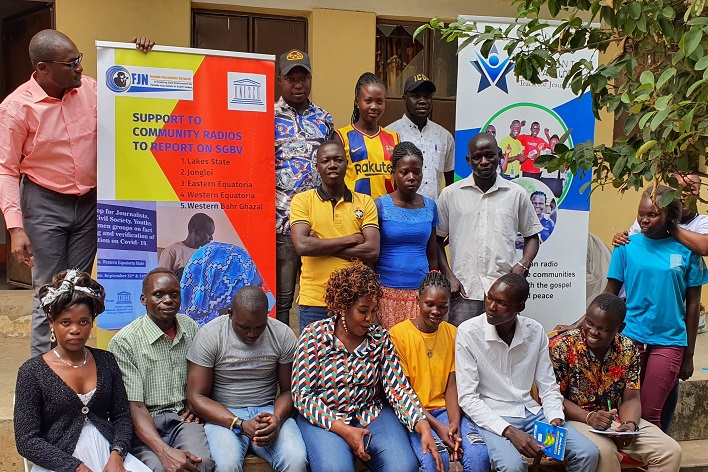
Editor’s note: The story, originally reported for radio this January, came out of a UNESCO-funded training project, through the Female Journalists Network, to support journalists in Jonglei, Lakes State, Western Bahr el Ghazal, Western Equatoria, Eastern Equatoria, as they report on SGBV stories and regulators and lawmakers to take policy stands that improve the environment for the coverage of SGBV issues

A MONTH LATER

Story helps move the child marriage case to court

A father is arrested for trying to marry off a minor. He still insists that he will marry off the minor. The mother and the daughter are scared. They want him kept in jail. Gaetano Patrick Anyodi works with Radio Nehemiah in South Sudan. This story, dome as part of an in-house skills training on reporting on Sexual and Gender Based Violence has helped move the case forward.

Badru Mulumba: It’s a month since we worked that story. How has that debacle ended?

ANYODI GAETANO: The father is still in the prison. 

Time: How did you feel when you were reporting this story?

GAETANO: I really felt so sorry for the decision because this decision, according to the father, is still final. He said he is not ready to pay the school and the daughter must get married. Because of that, I felt so sorry because of the future of that young girl. The mother can’t support her. The family is a bit weak. They are all vulnerable. It is a struggle to pay the school fees. 

GAETANO: When I returned to prison to ask them that followup question:what would happen, if the father continues to be a threat to the family, yet the law limits detention time and you don’t uphold the law by breaking the law, the father wasn’t happy with me. He was not happy with the prison wardens since he has made up his mind. I have been told that the case is now going to court after our story was broadcast and because the daughter is underage.

Time: What skills did you require for this story?

GAETANO: To be frank, the training helped me so much. When I was still living in Uganda, I was doing news in local languages and in English. When I came back to South Sudan, here in Nimule, radio didn’t broadcast live local news because there’s no money to do news. For the first eight months, I was not practicing in the news department, but was mostly in other programs. I started forgetting some of the ethics. When the training came, I was able to remember some of the ethics, skills, and some of the processes and principles that I am supposed to follow when I am going to the field. In Uganda I was with radio Amani, a radio station in Adjumani. I don’t’ know how I can thank you people, but I pray that God blesses you.
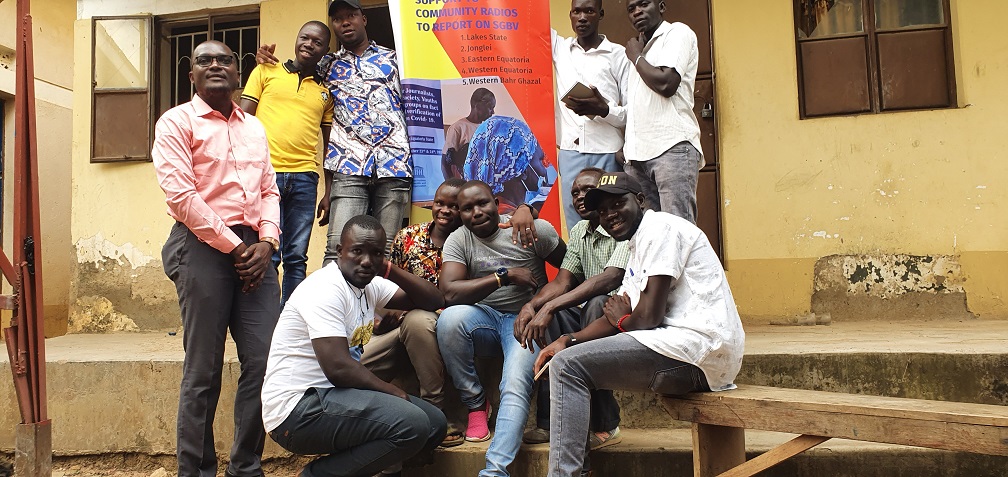
Gaetano (Bottom Right)

Time: What challenges have you faced when following up on this story, especially about the legal conflict between indefinite detention and the need to protect the child?
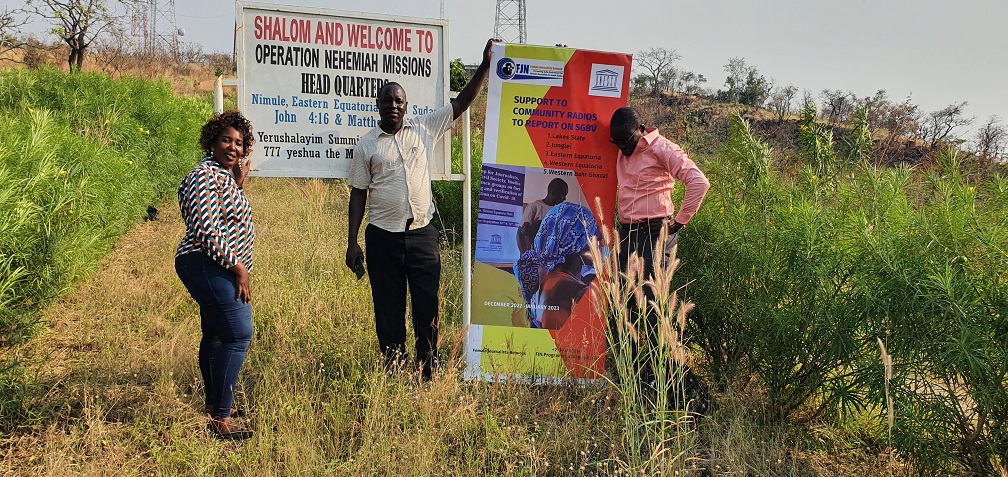
Nehemiah Community Radio home, Rock Gordon, Nimule

- A word from our sponsors -

sponsored: GRE. GMAT. TOEFL. IELT CLASSESspot_img

Most Popular

More from section

More Courage Than Before: Female Monitors Strengthening Early Warning Systems in South Sudan

Simona Ali, an Early Warning Monitoring Fellow from Wau, says the fellowship created a space for female journalists to share experiences and learn from each other. By passing this knowledge on to colleagues in her newsroom, she is helping strengthen awareness of journalist safety and professional rights

Speaking Up for Rights: Female Monitors Strengthening Early Warning Systems in South Sudan

Catherine Adut, an Early Warning Monitoring Fellow from Lakes State, says the fellowship helped her understand her rights and speak up against unfair treatment. Today, she encourages other female journalists to report harassment, defend their rights, and support one another in the newsroom.

Confidence to Stand Up: Female Monitors Strengthening Early Warning Systems in South Sudan

Viola Nyoka, an Early Warning Monitoring Fellow from Yei, says the fellowship helped her understand the risks female journalists face and the importance of speaking up. Through shared experiences with colleagues across South Sudan, she gained the confidence to challenge exploitation, report harassment, and stand up for her rights in the newsroom.

Knowing Where to Turn: Female Monitors Strengthening Early Warning Systems in South Sudan

Vivian Nandege, an Early Warning Monitoring Fellow from Yei, says the fellowship helped her understand where to seek support when facing challenges in journalism. Through connections with other female journalists, she has gained confidence, shared knowledge, and built a stronger professional network.

- A word from our sponsors -

spot_img

Read Now

More Courage Than Before: Female Monitors Strengthening Early Warning Systems in South Sudan

Simona Ali, an Early Warning Monitoring Fellow from Wau, says the fellowship created a space for female journalists to share experiences and learn from each other. By passing this knowledge on to colleagues in her newsroom, she is helping strengthen awareness of journalist safety and professional rights

Speaking Up for Rights: Female Monitors Strengthening Early Warning Systems in South Sudan

Catherine Adut, an Early Warning Monitoring Fellow from Lakes State, says the fellowship helped her understand her rights and speak up against unfair treatment. Today, she encourages other female journalists to report harassment, defend their rights, and support one another in the newsroom.

Confidence to Stand Up: Female Monitors Strengthening Early Warning Systems in South Sudan

Viola Nyoka, an Early Warning Monitoring Fellow from Yei, says the fellowship helped her understand the risks female journalists face and the importance of speaking up. Through shared experiences with colleagues across South Sudan, she gained the confidence to challenge exploitation, report harassment, and stand up for her rights in the newsroom.

Knowing Where to Turn: Female Monitors Strengthening Early Warning Systems in South Sudan

Vivian Nandege, an Early Warning Monitoring Fellow from Yei, says the fellowship helped her understand where to seek support when facing challenges in journalism. Through connections with other female journalists, she has gained confidence, shared knowledge, and built a stronger professional network.

Strengthening Professional Networks: Female Monitors Strengthening Early Warning Systems in South Sudan

Cecilia John Akile, an Early Warning Monitoring Fellow from Wau, says the fellowship helped her build stronger professional connections with journalists across South Sudan. Through the network, she has learned the importance of speaking openly about challenges and collaborating with colleagues to find solutions

Standing Firm Under Pressure: Female Monitors Strengthening Early Warning Systems in South Sudan

Assunta Aluel, a journalist from Twic County, says the Monitoring Fellowship helped her remain calm and professional when she faced questioning after reporting a sensitive community story. The training equipped her with the confidence and knowledge to navigate pressure while continuing her work.

Building Stronger Connections: Female Monitors Strengthening Early Warning Systems in South Sudan

Aleng Vicky, an Early Warning Monitoring Fellow from Torit, says the fellowship helped female journalists across Eastern Equatoria connect and share experiences. Through new communication platforms and peer discussions, women journalists are building stronger networks and supporting each other in the profession.

From Connection to Courage: Female Monitors Strengthen Early Warning Systems in South Sudan

"At the back of your mind, when covering news, you must remember there are things you must follow while doing this. That has instilled more confidence in us than before." - ARICH DENG

Forging a Lifeline: Female Monitors Power Early Warning Systems in South Sudan

An early warning system fellowship empowers frontline monitoring fellows to detect risks early, trigger rapid response, and strengthen protection support for those facing threats.

The Mic Was Silenced: A Young Female Journalist Struggles to Reclaim the Airwaves in South Sudan

They shut it down after a song—just a traditional tune from the wrong community—played during a flare-up in local fighting. Officials stormed in, seized the keys, and warned the staff: One more mistake, and the whole station is gone for good. For a moment, Achol was jobless...

 “If You Don’t Have the Heart for It, You Can’t Carry On”

As a child, she fled bombings by the Sudanese government and attacks by the Ugandan rebel Lord’s Resistance Army, living a refugee live in DR-Congo, CAR, and Uganda. As a woman, she faced down militias. Today, she stands at the frontline of media freedom in Western Equatoria...

How a South Sudanese Village Lured Government with $7 Contributions to Gravel a Flooded, Muddy Road

Joyce Angee, walks to nearby Jebel Kujur rock every morning to collect rocks.  She splits the rocks into gravel for sale. “It’s not really easy my son, but when they tell you it’s the government, what do you do?” Angee, tells timeoftheworld.com about why she contributed money...