

HomeNEW REPUBLIC.Inside the Plans to...

Inside the Plans to Hoist World’s Longest Flag on Imatong Hills

“We have prepared the ground, the site, and we are just awaiting a team from Juba, the office of the president, to come and build the place. Then a flag will be raised here, in Imatong, the flag of the Republic of South Sudan.” – Governor lobong

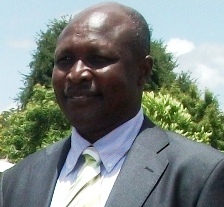
“[In the Freedom Square] we have pillars on which we are going to write the names of all our heroes right from the time of Anya-nya 1 to the SPLA. Those who have given their lives for the freedom of Southern Sudan, must all be written there. A committee is now collecting the names of all our fallen heroes, tribe by tribe, county by county”

MABIOR PHILIP MACH

Q. Eastern Equatoria, where the first southern uprising started in 1955, is an historic state in the liberation struggle. How did you celebrate?
Several committees were formed. There was delay in writing invitations because we had not gotten final communication from the Government of Southern Sudan, as to whether the celebrations at state level would be on the same day, as to whether governors would attend the Juba celebrations. On the last hour it was communicated that the governors were to attend the celebrations in their own state capitals.

Q. Did the state accord Independence Day the weight it deserves?
For the first time in history of EES or Torit, built a Freedom Square.

We, in that structure, have pillars on which we are going to write the names of all our heroes right from the time of Anyanya one to the SPLA. Those who have given their lives for the freedom of Southern Sudan, all must be written there. A committee is now collecting the names of all our fallen heroes, tribe by tribe, county by county.

And they will be written on all those polls in the freedom square. We are going to rename that square as the Matyrs’ square. This is one unique thing we did. All the tribes in EES participated. It was the first time that the ethnic groups in EES came together for the celebration. Some had never been to Torit before.

Q. The flag of the new republic will be hoisted at Imatong Mountains, what is the significance?
This was an initiative and a plan from the office of the president. You know Imatong is a historical hill. It is the highest mountain in southern Sudan. And so the office of the president decided that the longest flag in the world is going to be raised in Imatong. We have prepared the ground, the site, and we are just awaiting a team from Juba, the office of the president, to come and build the place and then the flag will be raised here, in Imatong, the flag of the Republic of South Sudan.

Q. Why is the state exhuming remains of dead fighters and repatriating them to the south?
We are keen to ensure that our heroes, our martyrs who have given their lives for the independence of Southern Sudan. We have prepared the ground, the mausoleum has been built, a beautiful one and we people are here waiting to receive the remains. We are trying to receive more remains of the people that died during the war. We will continue to identify them even after the ninth.

Q. What do you feel about Independence Day?
I am very much excited. I am happy that we have succeeded. But I am not surprised because it was a determination of the SPLM. When we were fighting we were saying we are going to fight until the last person.

Q. How is the state riding through security challenges to celebrate the day?
The security situation is okay. People of EE know that this is what they were fighting—independence, free. The rest of the other small problems, especially cattle rustling here, we will be able to solve them. The Khartoum regime was not keen to help us to address our own problems; since we will be alone we will be able to address our own problem.

Q. What message would you wish to send out so that the other states to pick up from yours?
Let us prepare ourselves and let us clean our hearts. Let there be no grudges between us and our brothers. We need to open our hearts and we need to reconcile so that we enter the newly born nation with happiness, with clean heart.


MILESTONES


MAY 13, 1983 – KERUBINO KUANYIN
“Garang, the son of my mother, you have come? Take over the Command from here. Chagai, my work is finished; give me something to drink and let us celebrate the start of the revolution.” Major Kerubino Kuanyin Bol, Commander SAF Battalion 105, Bor. MAY 13, 1983

MAY 15, 2005 – JOHN GARANG
“I and those who joined me in the bush for more than 20 years have brought to you CPA in a golden plate. Our mission is accomplished. It is now your turn, especially those who did not have a chance to experience bush-life. When time comes to vote at referendum, it is your choice to determine your fate. Would you like to vote to be a second class citizen in your own country? It is absolutely your choice.”
Dr John Garang de Mabior, Chairman SPPLM/SPLA, Commander-in-Chief, Rumbek May 15 2005.

FEBRUARY 8, 2011 – SALVA KIIR
“You voted for freedom, equality, justice and democracy; you have voted for the fulfillment of the ideals that inspired our struggle from its inception in 1983. As a people, you have chosen the path to permanent peace. You have chosen the path of human dignity. And you have chosen the path to nationhood.” HE: General Salva Kiir Mayardit, President of the Republic of South Sudan, Juba, February 8 2011

- A word from our sponsors -

sponsored: GRE. GMAT. TOEFL. IELT CLASSESspot_img

Most Popular

More from section

More Courage Than Before: Female Monitors Strengthening Early Warning Systems in South Sudan

Simona Ali, an Early Warning Monitoring Fellow from Wau, says the fellowship created a space for female journalists to share experiences and learn from each other. By passing this knowledge on to colleagues in her newsroom, she is helping strengthen awareness of journalist safety and professional rights

Speaking Up for Rights: Female Monitors Strengthening Early Warning Systems in South Sudan

Catherine Adut, an Early Warning Monitoring Fellow from Lakes State, says the fellowship helped her understand her rights and speak up against unfair treatment. Today, she encourages other female journalists to report harassment, defend their rights, and support one another in the newsroom.

Confidence to Stand Up: Female Monitors Strengthening Early Warning Systems in South Sudan

Viola Nyoka, an Early Warning Monitoring Fellow from Yei, says the fellowship helped her understand the risks female journalists face and the importance of speaking up. Through shared experiences with colleagues across South Sudan, she gained the confidence to challenge exploitation, report harassment, and stand up for her rights in the newsroom.

Knowing Where to Turn: Female Monitors Strengthening Early Warning Systems in South Sudan

Vivian Nandege, an Early Warning Monitoring Fellow from Yei, says the fellowship helped her understand where to seek support when facing challenges in journalism. Through connections with other female journalists, she has gained confidence, shared knowledge, and built a stronger professional network.

- A word from our sponsors -

spot_img

Read Now

More Courage Than Before: Female Monitors Strengthening Early Warning Systems in South Sudan

Simona Ali, an Early Warning Monitoring Fellow from Wau, says the fellowship created a space for female journalists to share experiences and learn from each other. By passing this knowledge on to colleagues in her newsroom, she is helping strengthen awareness of journalist safety and professional rights

Speaking Up for Rights: Female Monitors Strengthening Early Warning Systems in South Sudan

Catherine Adut, an Early Warning Monitoring Fellow from Lakes State, says the fellowship helped her understand her rights and speak up against unfair treatment. Today, she encourages other female journalists to report harassment, defend their rights, and support one another in the newsroom.

Confidence to Stand Up: Female Monitors Strengthening Early Warning Systems in South Sudan

Viola Nyoka, an Early Warning Monitoring Fellow from Yei, says the fellowship helped her understand the risks female journalists face and the importance of speaking up. Through shared experiences with colleagues across South Sudan, she gained the confidence to challenge exploitation, report harassment, and stand up for her rights in the newsroom.

Knowing Where to Turn: Female Monitors Strengthening Early Warning Systems in South Sudan

Vivian Nandege, an Early Warning Monitoring Fellow from Yei, says the fellowship helped her understand where to seek support when facing challenges in journalism. Through connections with other female journalists, she has gained confidence, shared knowledge, and built a stronger professional network.

Strengthening Professional Networks: Female Monitors Strengthening Early Warning Systems in South Sudan

Cecilia John Akile, an Early Warning Monitoring Fellow from Wau, says the fellowship helped her build stronger professional connections with journalists across South Sudan. Through the network, she has learned the importance of speaking openly about challenges and collaborating with colleagues to find solutions

Standing Firm Under Pressure: Female Monitors Strengthening Early Warning Systems in South Sudan

Assunta Aluel, a journalist from Twic County, says the Monitoring Fellowship helped her remain calm and professional when she faced questioning after reporting a sensitive community story. The training equipped her with the confidence and knowledge to navigate pressure while continuing her work.

Building Stronger Connections: Female Monitors Strengthening Early Warning Systems in South Sudan

Aleng Vicky, an Early Warning Monitoring Fellow from Torit, says the fellowship helped female journalists across Eastern Equatoria connect and share experiences. Through new communication platforms and peer discussions, women journalists are building stronger networks and supporting each other in the profession.

From Connection to Courage: Female Monitors Strengthen Early Warning Systems in South Sudan

"At the back of your mind, when covering news, you must remember there are things you must follow while doing this. That has instilled more confidence in us than before." - ARICH DENG

Forging a Lifeline: Female Monitors Power Early Warning Systems in South Sudan

An early warning system fellowship empowers frontline monitoring fellows to detect risks early, trigger rapid response, and strengthen protection support for those facing threats.

The Mic Was Silenced: A Young Female Journalist Struggles to Reclaim the Airwaves in South Sudan

They shut it down after a song—just a traditional tune from the wrong community—played during a flare-up in local fighting. Officials stormed in, seized the keys, and warned the staff: One more mistake, and the whole station is gone for good. For a moment, Achol was jobless...

 “If You Don’t Have the Heart for It, You Can’t Carry On”

As a child, she fled bombings by the Sudanese government and attacks by the Ugandan rebel Lord’s Resistance Army, living a refugee live in DR-Congo, CAR, and Uganda. As a woman, she faced down militias. Today, she stands at the frontline of media freedom in Western Equatoria...