

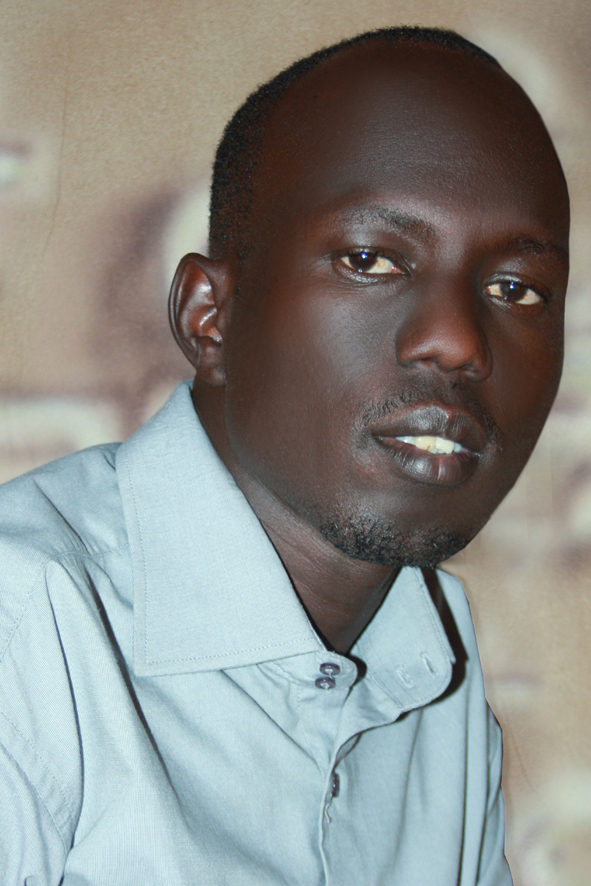
If I were the President of this new country: My wish list of what I would do

MICHAEL THON MANGOK

A new Republic is born. The citizenry is excited. Congratulatory messages have trickled in from our neighbors. It was a lifetime achievement. The morning after is usually when the tough questions begin.
First, we must come up with a government that has capacity to run the country.

We must move over from the appeasement politics where officials are appointed to please various groups. Now we have a Republic to serve. And those who always think every problem needs a hammer may need to learn how to agree to disagree.

This is an opportunity to define our destiny and I personally believe that we need a five-year vision plan to achieve a basic level that can let this country run.

BUILD ROADS


Build the roads. From Nimule to Malakal, Nadapal to Awiel and from Yei to Tumbura. Each would be given to two international companies supervised by our local engineers and government intelligence. Let the indigenous companies like Ayat, ABMC construct inter-state roads; this will improve security of our population and facilitate rural developments.


AGRICULTURE

Our officials in the ministry of Agriculture know only how to talk about what vast land we have. Tell them to stop talking.

Let the minister show us which project she/he has implemented which can supply food to even a single state. None, yet an agricultural farm would employ thousands of demobilized people, feed millions, earn foreign exchange, and cost less than a million dollars to start.

Education

As a new nation, the quest for accumulation and acquisition of relevant knowledge will be paramount. Without proper planning, we may have high educational gaps; therefore, we should build in every county 25 primary schools, 10 high schools, 1 university and a research center in every state.

This will give us a foundation to teach our children.
The President should initiate special programs under his office to add to his legacy; build a Hospital, orphanage, social care centre, disability centre and administrative centre in every payam. This will facilitate the vision of taking town to people and it will help the government to send home those who can no longer serve in the government.


Our six years during interim period were never successful — one old man summarized them as the “Six years of looting”. Our performance has been erratic.

We must have clear priorities to follow.
The road ahead is still tricky; it will require a lot of patience, tolerance and level headedness. We must rise above divisions, do what is best for our country, and not pander to partisan interests of certain individuals or sections in society.

The country is bigger than individuals or tribes and must always be given its pride.
Let us take this country wholeheartedly as we did during the wartime to prove to our martyrs that this peace will last for generations, and to the rest of the world that we are worth running this country — without becoming a failed state as the doomsday prophets contemplate.

The writer, a journalist and a social critic, can be reached at kochadit@gmail.com
- A word from our sponsors -

sponsored: GRE. GMAT. TOEFL. IELT CLASSESspot_img

Most Popular

More from section

More Courage Than Before: Female Monitors Strengthening Early Warning Systems in South Sudan

Simona Ali, an Early Warning Monitoring Fellow from Wau, says the fellowship created a space for female journalists to share experiences and learn from each other. By passing this knowledge on to colleagues in her newsroom, she is helping strengthen awareness of journalist safety and professional rights

Speaking Up for Rights: Female Monitors Strengthening Early Warning Systems in South Sudan

Catherine Adut, an Early Warning Monitoring Fellow from Lakes State, says the fellowship helped her understand her rights and speak up against unfair treatment. Today, she encourages other female journalists to report harassment, defend their rights, and support one another in the newsroom.

Confidence to Stand Up: Female Monitors Strengthening Early Warning Systems in South Sudan

Viola Nyoka, an Early Warning Monitoring Fellow from Yei, says the fellowship helped her understand the risks female journalists face and the importance of speaking up. Through shared experiences with colleagues across South Sudan, she gained the confidence to challenge exploitation, report harassment, and stand up for her rights in the newsroom.

Knowing Where to Turn: Female Monitors Strengthening Early Warning Systems in South Sudan

Vivian Nandege, an Early Warning Monitoring Fellow from Yei, says the fellowship helped her understand where to seek support when facing challenges in journalism. Through connections with other female journalists, she has gained confidence, shared knowledge, and built a stronger professional network.

- A word from our sponsors -

spot_img

Read Now

More Courage Than Before: Female Monitors Strengthening Early Warning Systems in South Sudan

Simona Ali, an Early Warning Monitoring Fellow from Wau, says the fellowship created a space for female journalists to share experiences and learn from each other. By passing this knowledge on to colleagues in her newsroom, she is helping strengthen awareness of journalist safety and professional rights

Speaking Up for Rights: Female Monitors Strengthening Early Warning Systems in South Sudan

Catherine Adut, an Early Warning Monitoring Fellow from Lakes State, says the fellowship helped her understand her rights and speak up against unfair treatment. Today, she encourages other female journalists to report harassment, defend their rights, and support one another in the newsroom.

Confidence to Stand Up: Female Monitors Strengthening Early Warning Systems in South Sudan

Viola Nyoka, an Early Warning Monitoring Fellow from Yei, says the fellowship helped her understand the risks female journalists face and the importance of speaking up. Through shared experiences with colleagues across South Sudan, she gained the confidence to challenge exploitation, report harassment, and stand up for her rights in the newsroom.

Knowing Where to Turn: Female Monitors Strengthening Early Warning Systems in South Sudan

Vivian Nandege, an Early Warning Monitoring Fellow from Yei, says the fellowship helped her understand where to seek support when facing challenges in journalism. Through connections with other female journalists, she has gained confidence, shared knowledge, and built a stronger professional network.

Strengthening Professional Networks: Female Monitors Strengthening Early Warning Systems in South Sudan

Cecilia John Akile, an Early Warning Monitoring Fellow from Wau, says the fellowship helped her build stronger professional connections with journalists across South Sudan. Through the network, she has learned the importance of speaking openly about challenges and collaborating with colleagues to find solutions

Standing Firm Under Pressure: Female Monitors Strengthening Early Warning Systems in South Sudan

Assunta Aluel, a journalist from Twic County, says the Monitoring Fellowship helped her remain calm and professional when she faced questioning after reporting a sensitive community story. The training equipped her with the confidence and knowledge to navigate pressure while continuing her work.

Building Stronger Connections: Female Monitors Strengthening Early Warning Systems in South Sudan

Aleng Vicky, an Early Warning Monitoring Fellow from Torit, says the fellowship helped female journalists across Eastern Equatoria connect and share experiences. Through new communication platforms and peer discussions, women journalists are building stronger networks and supporting each other in the profession.

From Connection to Courage: Female Monitors Strengthen Early Warning Systems in South Sudan

"At the back of your mind, when covering news, you must remember there are things you must follow while doing this. That has instilled more confidence in us than before." - ARICH DENG

Forging a Lifeline: Female Monitors Power Early Warning Systems in South Sudan

An early warning system fellowship empowers frontline monitoring fellows to detect risks early, trigger rapid response, and strengthen protection support for those facing threats.

The Mic Was Silenced: A Young Female Journalist Struggles to Reclaim the Airwaves in South Sudan

They shut it down after a song—just a traditional tune from the wrong community—played during a flare-up in local fighting. Officials stormed in, seized the keys, and warned the staff: One more mistake, and the whole station is gone for good. For a moment, Achol was jobless...

 “If You Don’t Have the Heart for It, You Can’t Carry On”

As a child, she fled bombings by the Sudanese government and attacks by the Ugandan rebel Lord’s Resistance Army, living a refugee live in DR-Congo, CAR, and Uganda. As a woman, she faced down militias. Today, she stands at the frontline of media freedom in Western Equatoria...
