

“Environmental pollution is becoming a serious issue in South Sudan. This is because the populations in the large cities of Juba, Wau and Malakal are increasing rapidly, yet up to now these cities do not have sewage disposal systems. In Juba for example some of the hotels built along the River Nile have been reported to dump their raw sewage into the River Nile direct.”
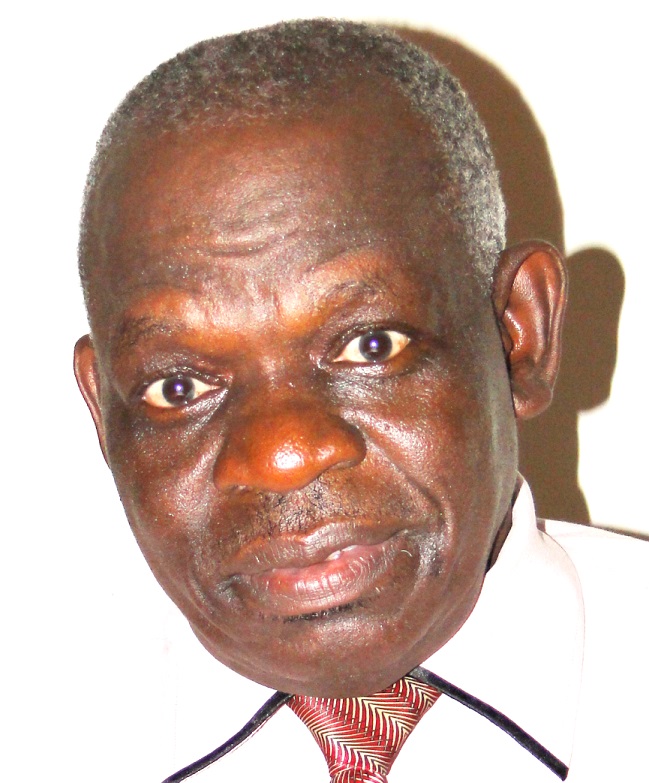
BY PROFESSOR SCOPAS DIMA
DesignationIn simple terms, environment can be regarded as the surface of the earth and the atmosphere above it and the crust of the earth.
The environment contains all the natural resources those that are considered UN renewable and renewable.
In other wards the environment contains the minerals on the earth’s surface and those below. In additional the environment holds and sustains all the resources on the earth’s surface such as natural forests, wildlife, fishes and all other fauna and flora. No social, economic and cultural activity takes place on earth without the use of the environment. The environment is the depository of all the waste material on earth. Some of the waste is generated by the activities of living things including humans on the surface of the earth, while other wastes are generated by natural activities in the earth’s crust, oceans, and mountains such as volcanic eruptions, tsunamis and geo-thermal explosions. The environment is the most resilient natural body because it always restores itself to a reasonable form of existence after a human made or a natural disaster has occurred.
The environment provides humankind and all living things with the facilities for basic existence and sustainability. In this regard the environment is very important for the survival of human race and its sustenance. Humankind obtains its food by tilling the earth; the environment provides rain that waters the crops and animals for the use of humankind.
A Process of Growth
Development is the process of growth and expansion using resources from the environment. The resources include human beings as labour skilled or unskilled, resources renewable or non-renewable such as mineral oil, sand, water, purchased by use of capital and management which combines all the inputs together to produce commodities for the use of humankind. Development entails the judicious allocation of financial resources for the acquisition of specified development materials needed for the development of particular goods and services. Development should be demand driven to meet the aspirations of those who demanded for the development project in the first place. Development cannot take place without the use of some resources from the environment. In other words all the sectors of the economy use materials, resources and inputs from the environment and on the environment to effect any development. This means that the environment is one of the most important bodies to humankind in the development process. Environment and development are tied together and they move together in the development process.
As stated above environment and development go together in the environment of nations. It follows that the issue of sustaining the use of the environment and natural resources in the development process is very important. The word sustainable or sustainability means that a resource is used year in and year out without being exhausted or depleted. This applies to renewable resources when they are used in quantities that do not affect the productive base such as a fishery. For exhaustible resources, often the quantities are estimated using the current technology in use. Periods for when exhaustible resources wiki be depleted may be extended when new technologies are discovered for the extraction of the mineral. For many years economists did not take into account the fact that when minerals are depleted, they affect the economies of the countries that have been mining them. In the last twenty or so years, economists have introduced the concept of Environmental Accounting, which means that all environmental goods are valued and the value so obtained is added to the national accounts. The result is that the national accounts would reflect the true value of a nation’s wealth inclusive of effects of minerals that have been depleted and reflected so in the national accounts. Some countries in the developed world have now included environmental accounting in their national accounts, very few in the developing world.
Borrowing from Other Countries
Following the realization of sustaining the environment, environmental economists and other natural scientists have evolved the concept of Environmental Impact Assessment (EIA). This is the process of assessing the impacts of a development project or programmes on the environment, positive or negative. EIA is multi-disciplinary by virtue of the fact that the environment is a complex body requiring many facets of its nature to be assessed when any development activity is proposed. When the idea of EIA was synthesised and adopted by world institutions and the first world, many countries instituted structures made sure that the environment is protected and many of its critical components conserved or even preserved. This resulted in the formation of National Environmental Protection Agencies (NEPA), which were tasked with the responsibility of ensuring that both private and public development agents and departments complied with the requirements of the protection agency. The NEPAs are given the highest authority often located or attached to the highest offices in the land such as the Office of the President or Prime Minister. The underlying reason for this was to make sure that everybody including powerful individuals in government complied. The national environmental agencies were given the powers and authority to prosecute those who defy or do not comply with the rules of the national environmental protection agency. A second institution, working closely with the NEPAs is the National Environmental Management Agents (NEMA). The role of the NEMAs is to manage the environment in such a way that pollution of the environment is minimised; environmental destruction is avoided and generally the NEMAs work is to prevent environmental pollution or destruction, while the NEPAs prosecute when pollution or destruction has already been inflicted on the environment.
Our War of Environmental Destruction
In South Sudan a lot of environmental destruction took place during the war in terms of restricting the movement of domesticated animals because of the presence of battles in the areas or mines when the warring parties have moved to other locations.
This caused overgrazing, which resulted in environmental degradation. Concentrating rural populations on the outskirts of towns and cities resulted in indiscriminate cutting of the natural forests for burning charcoal to raise some income for the displaced populations. Killing of the wildlife for food by the two armies resulted in the remaining wildlife going into refugee in the neighbouring countries. The Department of wildlife is reported to have observed that some of wildlife that has been outside the territory of South Sudan is now returning home. Since 2006, the Directorate of Environment has been trying to enlighten the public on the importance of protecting the environment. The department held numerous workshops for the evolvement of South Sudan Environmental Protection Agency (SSEPA), as well NEMA. The writer recalls that in 2007 the Directorate of Environment invited a group of national and international consults to prepare the drafts for the two institutions, but up to now, it is not clear whether the two drafts have reached the South Sudan Legislative Assembly. Environmental pollution is becoming a serious issue in South Sudan. This is because the populations in the large cities of Juba, Wau and Malakal are increasing rapidly, yet up to now these cities do not have sewage disposal systems. In Juba for example some of the hotels built along the River Nile have been reported to dump their raw sewage into the River Nile direct. In the field of agriculture the smallholder farmers are known to doing organic farming that is without the use of chemical fertilizers. This sy stem however is being challenged by the introduction of tractors and the use of artificial fertilizers to boost yields and therefore total crop production. These issues and many more will be examined in this column of the New Times in the weeks and months to come.