

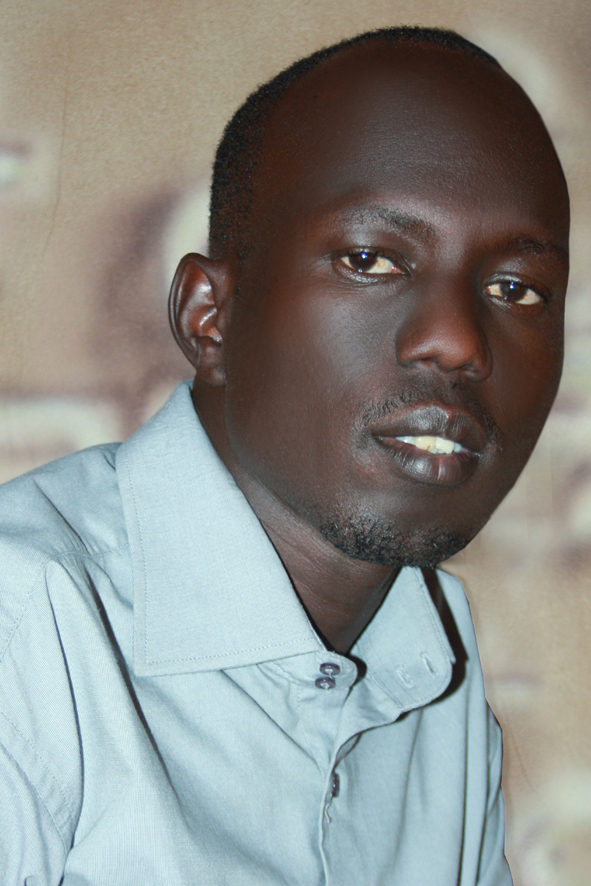
HomeNEW REPUBLIC.OPED: MICHAEL THON MANGOKWe’re not lazy, domino-playing...

We’re not lazy, domino-playing youth; we just can’t live on what you pay us

Challenging the youth that they don’t know how to work because they are sipping tea and playing cards and dominos under trees of juba is not a solution. One leader once shouted in the church. “You youth don‘t know how to work, look at how foreigners are doing everything for us. You only play cards under the tress”. This may lead to xenophobia, something that will endanger our relationship with our neighbors and international community. The only thing the government should do is to put policies that will favor citizens. When foreigners realize that, they will quit some businesses because they will not make profit.”

Juba is the fastest growing city in the world. This is according to the reports of Multi-Donor Trust Fund in 2008. But how many of its citizens can afford one meal in a day? This question begins to worry Juba’s residents as independence celebration mood fades away.
It looks self explanatory when one sees how better the city is compared to 2005 when the new government of southern Sudan started operating in this town. It was actually a bush as the
When we came here in the year 2005,” Information Minister Dr Baraba Marial told the BBC during independence rehearsals, “there were only fifteen cars in Juba and they were security cars; but today you can see traffic jam, more roads, tarmac.” Perfectly said, it was as if Juba is not the second largest city in Sudan because it had no infrastructure at all.
In 2006 Juba developed with the speed New York and Paris could have not experienced during their time. Business boomed as foreigners flocked in and Juba became the most expensive and popular city in Africa. It was ranked after Tokyo and Paris in November 2007 as the third most expensive city in the world. In fact, according to one report from one of the donors’ trust funds in 2008, Juba was the fastest growing city in the world.
Rampant development was seen as most expensive cars started running on the road, dollars in sacks were seen on road side from local traders for exchange. This made Juba the most preferred city in the region. If you visit Dar es salaam, Nairobi, Kampala or Kigali, you would see how willing the citizens of those respective cities would wish to live in Juba.
Unfortunately, this is not the case with juba’s residents who are witnessing a lot of growth in the city, but are not beneficiaries of that growth. The average person in Juba is living at 40 SDG, the equivalent of 18 US Dollars per a day — renting and medical not included. The research shows that 90 percent of Juba’s residents are living below one dollar a day and over 99 percent are unemployed.
The influx of foreigners to juba in 2007 when economy was in booming stage let land owners to lease land owners to lease land out to foreigners at, sometimes cheap terms. There were no policies put in place by government. Foreign companies started building hotels and imported everything including the cooks. These barred the locals from benefits such as jobs in the hotels and manual work in the constructions sites – although in many instances the locals refused such menial jobs.
It is hard to own land; one would buy a plot without structure at 30,000 SDG outside town and up to 100,000 SDG in town putting the poor populace out of reach. Only few citizens own houses and cars. If this continues then it will lead to two tribes, “the haves and the don’ts” something our leaders should take care of if we are to achieve the equality that we fought for.
Private policemen earn 340 SDG per a month without food and renting allowances, if you divide it with 40 SDG it would be eight days only. Fresh graduates earn 860 SDG per a month which only carter for 21 days, if one has to live an average life of hand to mouth without dependants, medical and other needs of human beings.
Most food stuffs are imported from neighboring countries of Kenya and Uganda even things that we can produce like sugar cane and matoke. It makes it more expensive for locals. Traders hike the prices to make profit making the living standard of the town so high.
Windhoek in Namibia was once a victim like what juba has fallen into today. When they got independence, they borrowed policies of capitalism from European models of economics. They allowed Europeans to do all projects other than giving citizens chance. It led to development of houses that citizens could not afford to rent. In the fishing industry, fish were sold with prices that citizens could not afford. Leaders of Juba have failed to see that; instead they make utterances that are not reasonable.
Challenging the youth that they don’t know how to work because they are sipping tea and playing cards and dominos under trees of juba is not a solution. One leader shouted one time in the church. “You youth don‘t know how to work, look at how foreigners are doing everything for us. You only play cards under the tress”
This may lead to xenophobia, something that will endanger our relationship with our neighbors and international community. The only thing the government should do is to put policies that will favor citizens. When foreigners realize that, they will quit some businesses because they will not make profit.
Juba has registered its name in the record as the fastest growing city in the world but its residents are the poorest in the continent. They are just languishing in hunger seeing good cars that they cannot afford to drive on the roads and good houses in town that they cannot live in.
Michael Thon is a journalist and a social critic.

- A word from our sponsors -

sponsored: GRE. GMAT. TOEFL. IELT CLASSESspot_img

Most Popular

More from section

More Courage Than Before: Female Monitors Strengthening Early Warning Systems in South Sudan

Simona Ali, an Early Warning Monitoring Fellow from Wau, says the fellowship created a space for female journalists to share experiences and learn from each other. By passing this knowledge on to colleagues in her newsroom, she is helping strengthen awareness of journalist safety and professional rights

Speaking Up for Rights: Female Monitors Strengthening Early Warning Systems in South Sudan

Catherine Adut, an Early Warning Monitoring Fellow from Lakes State, says the fellowship helped her understand her rights and speak up against unfair treatment. Today, she encourages other female journalists to report harassment, defend their rights, and support one another in the newsroom.

Confidence to Stand Up: Female Monitors Strengthening Early Warning Systems in South Sudan

Viola Nyoka, an Early Warning Monitoring Fellow from Yei, says the fellowship helped her understand the risks female journalists face and the importance of speaking up. Through shared experiences with colleagues across South Sudan, she gained the confidence to challenge exploitation, report harassment, and stand up for her rights in the newsroom.

Knowing Where to Turn: Female Monitors Strengthening Early Warning Systems in South Sudan

Vivian Nandege, an Early Warning Monitoring Fellow from Yei, says the fellowship helped her understand where to seek support when facing challenges in journalism. Through connections with other female journalists, she has gained confidence, shared knowledge, and built a stronger professional network.

- A word from our sponsors -

spot_img

Read Now

More Courage Than Before: Female Monitors Strengthening Early Warning Systems in South Sudan

Simona Ali, an Early Warning Monitoring Fellow from Wau, says the fellowship created a space for female journalists to share experiences and learn from each other. By passing this knowledge on to colleagues in her newsroom, she is helping strengthen awareness of journalist safety and professional rights

Speaking Up for Rights: Female Monitors Strengthening Early Warning Systems in South Sudan

Catherine Adut, an Early Warning Monitoring Fellow from Lakes State, says the fellowship helped her understand her rights and speak up against unfair treatment. Today, she encourages other female journalists to report harassment, defend their rights, and support one another in the newsroom.

Confidence to Stand Up: Female Monitors Strengthening Early Warning Systems in South Sudan

Viola Nyoka, an Early Warning Monitoring Fellow from Yei, says the fellowship helped her understand the risks female journalists face and the importance of speaking up. Through shared experiences with colleagues across South Sudan, she gained the confidence to challenge exploitation, report harassment, and stand up for her rights in the newsroom.

Knowing Where to Turn: Female Monitors Strengthening Early Warning Systems in South Sudan

Vivian Nandege, an Early Warning Monitoring Fellow from Yei, says the fellowship helped her understand where to seek support when facing challenges in journalism. Through connections with other female journalists, she has gained confidence, shared knowledge, and built a stronger professional network.

Strengthening Professional Networks: Female Monitors Strengthening Early Warning Systems in South Sudan

Cecilia John Akile, an Early Warning Monitoring Fellow from Wau, says the fellowship helped her build stronger professional connections with journalists across South Sudan. Through the network, she has learned the importance of speaking openly about challenges and collaborating with colleagues to find solutions

Standing Firm Under Pressure: Female Monitors Strengthening Early Warning Systems in South Sudan

Assunta Aluel, a journalist from Twic County, says the Monitoring Fellowship helped her remain calm and professional when she faced questioning after reporting a sensitive community story. The training equipped her with the confidence and knowledge to navigate pressure while continuing her work.

Building Stronger Connections: Female Monitors Strengthening Early Warning Systems in South Sudan

Aleng Vicky, an Early Warning Monitoring Fellow from Torit, says the fellowship helped female journalists across Eastern Equatoria connect and share experiences. Through new communication platforms and peer discussions, women journalists are building stronger networks and supporting each other in the profession.

From Connection to Courage: Female Monitors Strengthen Early Warning Systems in South Sudan

"At the back of your mind, when covering news, you must remember there are things you must follow while doing this. That has instilled more confidence in us than before." - ARICH DENG

Forging a Lifeline: Female Monitors Power Early Warning Systems in South Sudan

An early warning system fellowship empowers frontline monitoring fellows to detect risks early, trigger rapid response, and strengthen protection support for those facing threats.

The Mic Was Silenced: A Young Female Journalist Struggles to Reclaim the Airwaves in South Sudan

They shut it down after a song—just a traditional tune from the wrong community—played during a flare-up in local fighting. Officials stormed in, seized the keys, and warned the staff: One more mistake, and the whole station is gone for good. For a moment, Achol was jobless...

 “If You Don’t Have the Heart for It, You Can’t Carry On”

As a child, she fled bombings by the Sudanese government and attacks by the Ugandan rebel Lord’s Resistance Army, living a refugee live in DR-Congo, CAR, and Uganda. As a woman, she faced down militias. Today, she stands at the frontline of media freedom in Western Equatoria...