
Call for budget policy, climate change bill as locusts, covid19, and floods ravage South Sudan

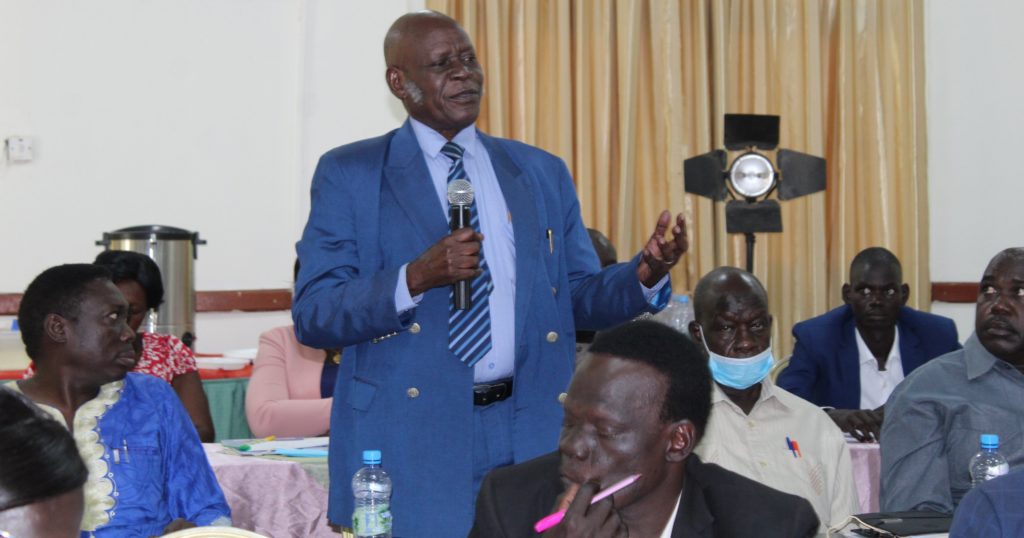
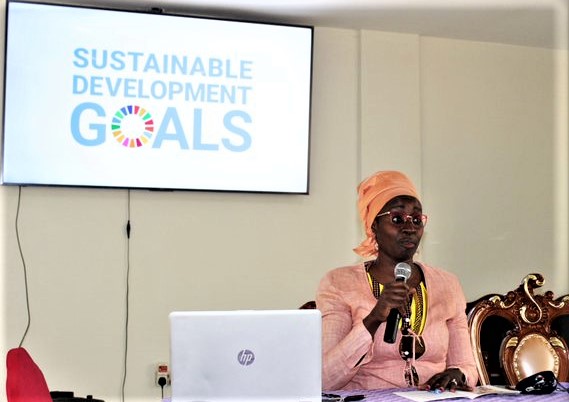
“We need change for our country, especially in budget formulation policy and oversight in its implementation,” Chamcoth Pijok, chairperson of Parliament Economic and Finance committee has told lawmakers. “We have summoned the parliamentarians to work on that matter. I wanted to assure the public that the parliamentarians are committed to making sure that whatever knowledge is acquired in this training is implemented.”

SPECIAL CORRESPONDENT

Designation

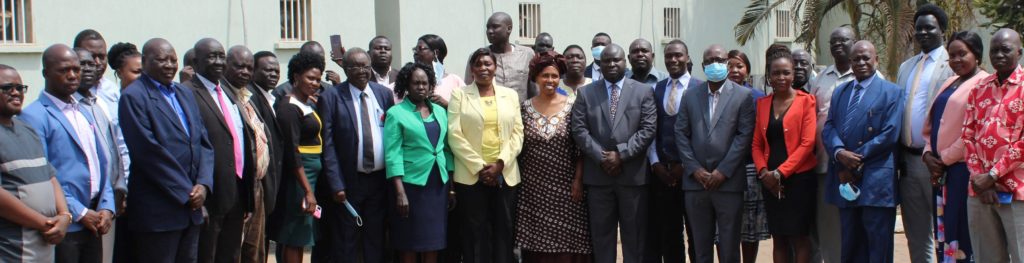
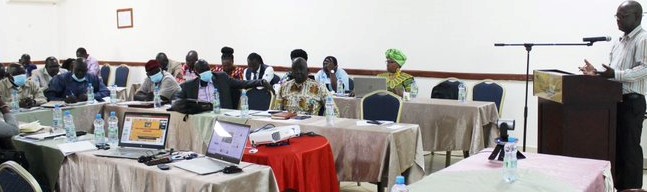
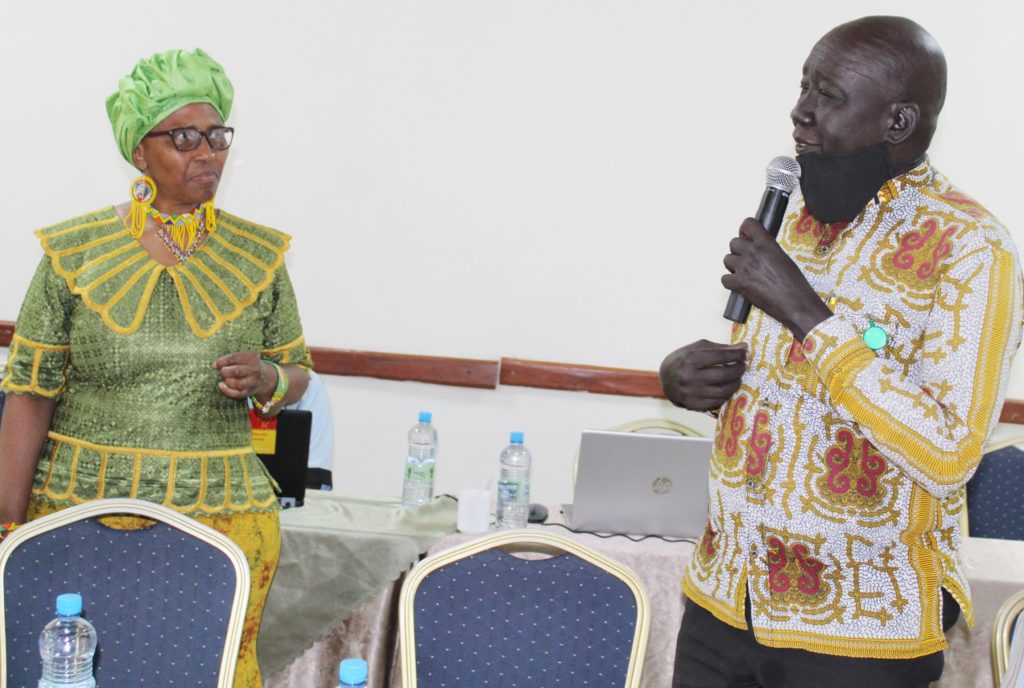
Pijok’s remarks concluded a budgeting, illicit money flows, debt, and climate change training, bringing together 47 lawmakers.

The training comes against the backdrop of an African Development Bank report that South Sudan’s economic recovery—driven by the 2018 revitalized peace agreement, rising oil prices, and a resumption in oil production—was derailed in 2020 by locust invasions, floods and the COVID–19 pandemic.

Measures to contain Covid19 disrupted economic activity. Social distancing and restrictions on movement and business operating-hours hit particularly the service sector, which accounts for 6.1 percent of GDP. Floods and locusts brought the agriculture sector, which accounts for 15% of GDP and employs 80 percent of the population, to a standstill.

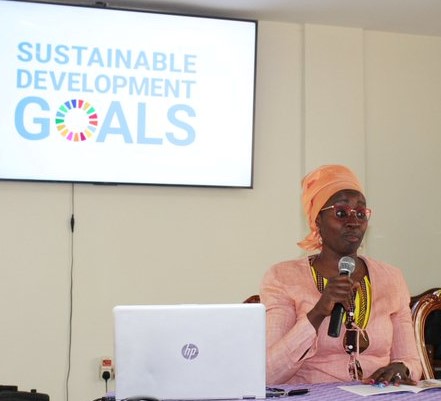
“There is need for a Climate Change Bill to animate and guide all climate change work in South Sudan,” Mrs. Jennifer Akech, executive director of Ecopeace Initiative for Development, a nonprofit that responds to wildlife, environment, climate change and disasters within the Boma Bandigilo.

Ecopeace, Center for Budget and Policy Accountability (CBPA), which pursues policies to reduce poverty and inequality and to restore fiscal responsibility, and the African Forum for Debt and Development, which has trained lawmakers from Chad, Ghana, Benin, Mozambique, Uganda, Rwanda, South Sudan, Zambia, and Zimbabwe, conducted the training.

South Sudan is a signatory to the Paris Agreement.

WHY IT MATTERS: SOUTH SUDAN’S ROAD FROM ZERO TO $2BN DEBT

South Sudan became independent with zero debt. But by 2017 the country’s public debt stood at 1.925 billion. In 2019 findings, IMF said South Sudan had fallen into debt distress, despite moderate levels of public external debt. The country’s fiscal position deteriorated markedly because of oil production shutdown between January 2012 and April 2013, war, and the sharp drop in international oil prices since mid-2014. According to ADB, the projected rebound in oil production and exports will support partial economic recovery, with real GDP expected to grow by 2.5 percent in 2022.

A peace agreement that brought the warring parties together establishes a path for economic, financial and natural resource sector reforms, many driven by the transitional parliament.

President Kiir named the new parliament in May 2021, appointing 550 lawmakers, 128 for the main opposition, 50 for the second largest opposition party, and 30 for other political parties. Parliament passed a budget September 2021 for the first time since 2019 – a 287 billion South Sudanese Pounds undertaking. But lawmakers need the technical knowledge to monitor the use of public and natural resources effectively.

  • Edited by BADRU MULUMBA

- A word from our sponsors -

sponsored: GRE. GMAT. TOEFL. IELT CLASSESspot_img

Most Popular

More from section

More Courage Than Before: Female Monitors Strengthening Early Warning Systems in South Sudan

Simona Ali, an Early Warning Monitoring Fellow from Wau, says the fellowship created a space for female journalists to share experiences and learn from each other. By passing this knowledge on to colleagues in her newsroom, she is helping strengthen awareness of journalist safety and professional rights

Speaking Up for Rights: Female Monitors Strengthening Early Warning Systems in South Sudan

Catherine Adut, an Early Warning Monitoring Fellow from Lakes State, says the fellowship helped her understand her rights and speak up against unfair treatment. Today, she encourages other female journalists to report harassment, defend their rights, and support one another in the newsroom.

Confidence to Stand Up: Female Monitors Strengthening Early Warning Systems in South Sudan

Viola Nyoka, an Early Warning Monitoring Fellow from Yei, says the fellowship helped her understand the risks female journalists face and the importance of speaking up. Through shared experiences with colleagues across South Sudan, she gained the confidence to challenge exploitation, report harassment, and stand up for her rights in the newsroom.

Knowing Where to Turn: Female Monitors Strengthening Early Warning Systems in South Sudan

Vivian Nandege, an Early Warning Monitoring Fellow from Yei, says the fellowship helped her understand where to seek support when facing challenges in journalism. Through connections with other female journalists, she has gained confidence, shared knowledge, and built a stronger professional network.

- A word from our sponsors -

spot_img

Read Now

More Courage Than Before: Female Monitors Strengthening Early Warning Systems in South Sudan

Simona Ali, an Early Warning Monitoring Fellow from Wau, says the fellowship created a space for female journalists to share experiences and learn from each other. By passing this knowledge on to colleagues in her newsroom, she is helping strengthen awareness of journalist safety and professional rights

Speaking Up for Rights: Female Monitors Strengthening Early Warning Systems in South Sudan

Catherine Adut, an Early Warning Monitoring Fellow from Lakes State, says the fellowship helped her understand her rights and speak up against unfair treatment. Today, she encourages other female journalists to report harassment, defend their rights, and support one another in the newsroom.

Confidence to Stand Up: Female Monitors Strengthening Early Warning Systems in South Sudan

Viola Nyoka, an Early Warning Monitoring Fellow from Yei, says the fellowship helped her understand the risks female journalists face and the importance of speaking up. Through shared experiences with colleagues across South Sudan, she gained the confidence to challenge exploitation, report harassment, and stand up for her rights in the newsroom.

Knowing Where to Turn: Female Monitors Strengthening Early Warning Systems in South Sudan

Vivian Nandege, an Early Warning Monitoring Fellow from Yei, says the fellowship helped her understand where to seek support when facing challenges in journalism. Through connections with other female journalists, she has gained confidence, shared knowledge, and built a stronger professional network.

Strengthening Professional Networks: Female Monitors Strengthening Early Warning Systems in South Sudan

Cecilia John Akile, an Early Warning Monitoring Fellow from Wau, says the fellowship helped her build stronger professional connections with journalists across South Sudan. Through the network, she has learned the importance of speaking openly about challenges and collaborating with colleagues to find solutions

Standing Firm Under Pressure: Female Monitors Strengthening Early Warning Systems in South Sudan

Assunta Aluel, a journalist from Twic County, says the Monitoring Fellowship helped her remain calm and professional when she faced questioning after reporting a sensitive community story. The training equipped her with the confidence and knowledge to navigate pressure while continuing her work.

Building Stronger Connections: Female Monitors Strengthening Early Warning Systems in South Sudan

Aleng Vicky, an Early Warning Monitoring Fellow from Torit, says the fellowship helped female journalists across Eastern Equatoria connect and share experiences. Through new communication platforms and peer discussions, women journalists are building stronger networks and supporting each other in the profession.

From Connection to Courage: Female Monitors Strengthen Early Warning Systems in South Sudan

"At the back of your mind, when covering news, you must remember there are things you must follow while doing this. That has instilled more confidence in us than before." - ARICH DENG

Forging a Lifeline: Female Monitors Power Early Warning Systems in South Sudan

An early warning system fellowship empowers frontline monitoring fellows to detect risks early, trigger rapid response, and strengthen protection support for those facing threats.

The Mic Was Silenced: A Young Female Journalist Struggles to Reclaim the Airwaves in South Sudan

They shut it down after a song—just a traditional tune from the wrong community—played during a flare-up in local fighting. Officials stormed in, seized the keys, and warned the staff: One more mistake, and the whole station is gone for good. For a moment, Achol was jobless...

 “If You Don’t Have the Heart for It, You Can’t Carry On”

As a child, she fled bombings by the Sudanese government and attacks by the Ugandan rebel Lord’s Resistance Army, living a refugee live in DR-Congo, CAR, and Uganda. As a woman, she faced down militias. Today, she stands at the frontline of media freedom in Western Equatoria...